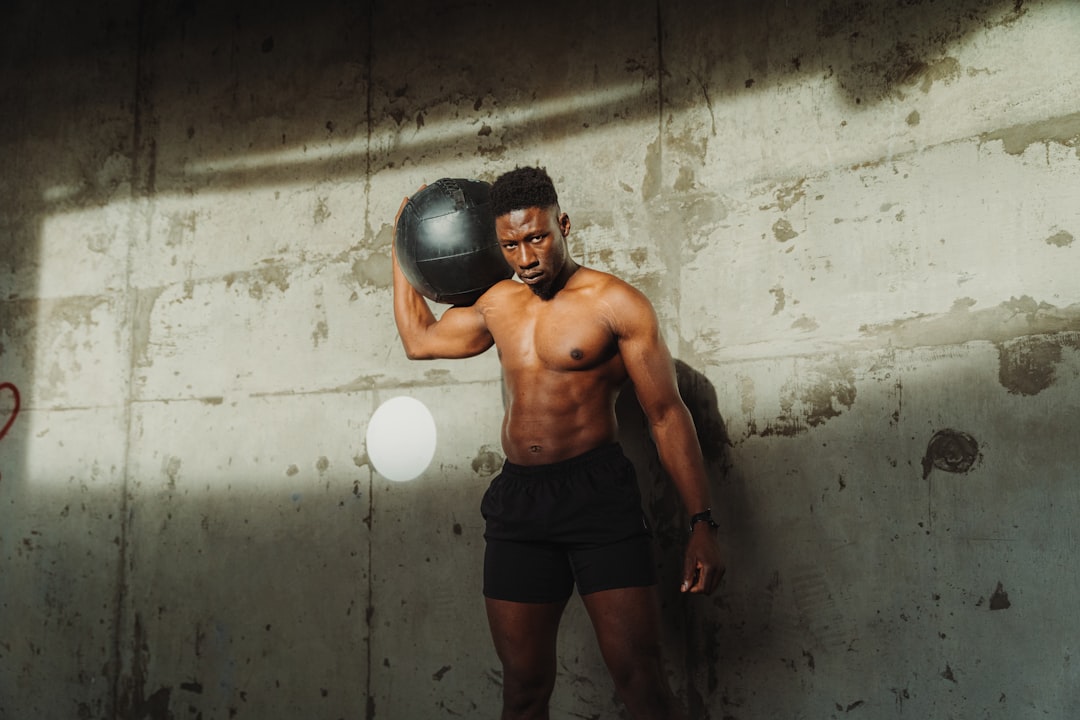
For male athletes who regularly train and compete outdoors, environmental extremes pose a serious challenge not only to performance but also to skin health. Athletic exertion, combined with exposure to harsh weather—whether scorching sun, biting cold, whipping winds, or biting humidity—can leave skin fatigued, irritated, and prematurely aged. In this definitive guide, we dive deep into athlete skincare tailored for men who take their sport seriously, equipping you with expert insights and actionable routines to preserve and protect your skin’s vitality regardless of outdoor conditions.
From proper cleansing methods to choosing the ideal moisturizer for active lifestyles, and the critical role of sunscreen, hydration, and recovery, this guide covers everything you need to build a resilient, effective regimen. We’ll also dissect how extreme sports amplify skin damage risk and how men’s grooming intersects with athlete wellness. Let’s embark on a skin-health journey optimized for peak performance and longevity.
Understanding Skin Challenges Unique to Male Athletes in Outdoor Conditions
The Harsh Impact of Weather Extremes on Athlete Skin
Male athletes encounter a spectrum of weather-related skin stressors. Prolonged UV radiation exposure leads to premature aging, sunburns, and potentially increased risk of skin cancers. Wind and cold strip the skin’s natural oils, leading to dryness, cracking, and irritation. Conversely, hot, humid environments can cause excessive sweating, clogged pores, and exacerbate acne or folliculitis.
Athletes participating in sports like cycling, trail running, or open-water swimming face amplified exposure risks. Understanding these effects is key to customizing skin protection protocols. For comprehensive insights on training across seasons, check out our guide From the Mound to the Mountain: How to Train Like a Baseball Pro in Winter.
Physiology Differences: Male Skin and Its Demands
Men’s skin differs from women’s in thickness, oil production, and sensitivity. Typically thicker with higher collagen density, male skin can still be vulnerable to environmental damage when chronically exposed to outdoor conditions. Higher sebum production may cause a tendency for clogged pores especially when combined with sweat and dirt from physical activity.
Understanding these traits helps in selecting products that balance hydration without over-clogging pores, which is essential for athletes whose pores open and close frequently during exertion and cooling down.
Common Skin Issues for Outdoor Male Athletes
- Sunburn and UV damage
- Dryness and cracking from wind and cold
- Heat rash and acne from sweat buildup
- Chapping and irritation around lips and eyes
- Accelerated aging signs such as wrinkles and discoloration
Addressing these common concerns proactively with an informed skincare routine is the best defense.
Building a Robust Skincare Routine for Extreme Sportsmen
Step 1: Gentle Yet Effective Cleansing
Post-training skin cleansing removes sweat, dirt, and environmental pollutants that accumulate and clog pores. Choose a facial cleanser formulated for men, ideally with added antioxidants and anti-inflammatory ingredients. Avoid harsh soaps that strip natural oils aggressively and cause rebound dryness.
Our 10 Essential Skin Care Tips guide recommends cycling gentle cleansing with occasional deep-cleaning masks for buildup control without excessive stripping. This is vital for athletes balancing frequent workouts with skin health.
Step 2: Hydration and Moisturization
Moisturizing replenishes the skin barrier compromised by weather and exercise. Opt for lightweight, non-comedogenic moisturizers containing humectants like hyaluronic acid for hydration, and occlusives to lock in moisture. For cold conditions, richer creams with ceramides support barrier repair and protect against chapping.
Check out The Best Local E-Commerce Stores for Health Products You Can Trust to find vetted moisturizers that combine efficacy with male skin needs.
Step 3: Relentless Sunscreen Use
Sunscreen is non-negotiable. Broad-spectrum SPF 30 or higher guards against UVA and UVB rays. Athletes sweating profusely or swimming should choose water-resistant formulas and reapply every two hours or immediately after drying off.
The link between UV exposure and skin aging is well established, and as athletes spend extended time outdoors, they should view sunscreen as an essential equipment element, much like protective gear.
Hydration and Nutrition: Internal Factors for Skin Protection
Why Hydration Matters for Skin Resilience
Skin hydration starts from within. Proper water intake maintains skin elasticity and supports recovery from microdamage. Athletes sweating heavily must replace fluids not only to maintain performance but also to preserve skin’s natural moisture balance.
Adopting electrolyte-rich hydration can be especially beneficial in hot, humid climates. For more on optimizing internal health for athletic performance, Health-Tracking Adventures: Stay Active and Safe While Exploring Austin offers great insights applicable across environments.
Nutrition’s Role — Antioxidants and Skin Repair
Dietary antioxidants combat free radicals generated by environmental stressors and physical exertion. Vitamins C and E, zinc, and omega-3 fatty acids promote collagen synthesis and repair mechanisms. Athletes should prioritize diets rich in colorful fruits, nuts, seeds, and fatty fish.
Exploring kosher-friendly and keto-adaptations under extreme weather, see our analysis in Nutrition in the Storm: How Weather Affects Our Keto Choices.
Supplements for Enhanced Skin Protection
Certain supplements like collagen peptides, hyaluronic acid, and plant-based antioxidants may support skin’s structural integrity and hydration, complementing topical routines. Always consult with a healthcare provider for guidance tailored to your unique requirements.
Essential Grooming Tips for Men Athletes
Beard Care and Skin Beneath
Many male athletes sport facial hair, which requires its own grooming regimen to prevent irritation and clogged pores underneath. Using a moisturizing beard oil and keeping the skin under the beard clean reduces the risk of ingrown hairs and fungal infections.
Post-Workout Facial Hygiene
Showering promptly to remove sweat and bacteria helps avoid acne and folliculitis common in athletes. Avoid overwashing which can dry skin, but ensure proper cleansing with suitable products.
Product Selection for Active Men
Choose fragrance-free or subtle fragrance products to avoid sensitization. Multi-functional grooming products like tinted moisturizers with SPF save time and provide protection while enhancing skin appearance.
Advanced Protection for Extreme Weather Sports
Cold Weather Skincare Strategies
In freezing temperatures, layering skincare with heavier ointments, physical barrier balms, and lip balms with SPF protects against frostbite and windburn. Use gloves and scarves to cover exposed skin during downtime.
Heat and Sun Intense Conditions
Applying cooling sprays with aloe vera or green tea extracts instantly mitigates inflammation. Choose mineral sunscreens for sensitive skin prone to heat rash.
High-Altitude and Windy Environments
Thin air at altitude increases skin dryness and UV exposure. Hyaluronic acid serums and antioxidants work well here, paired with physical blocking layers like wide-brimmed hats and UV-protective clothing.
Choosing and Applying Sunscreen: A Detailed Comparison
The table below compares types of sunscreen formulations tailored for athlete use:
| Feature | Physical (Mineral) Sunscreen | Chemical Sunscreen |
|---|---|---|
| Active Ingredients | Zinc oxide, titanium dioxide | Avobenzone, oxybenzone, octisalate, others |
| Protection Spectrum | Broad spectrum UVA & UVB | Usually broad spectrum, some gaps possible |
| Skin Sensitivity | Gentler for sensitive skin, less irritation | Potential for irritation, stinging |
| Appearance on Skin | May leave white cast | Clear, invisible |
| Water & Sweat Resistance | Varies, choose sport-specific formulations | Usually higher resistance in sport products |
Pro Tip: For athletes, mineral sunblocks with sport-specific water resistance properties are optimal, especially for sensitive or wind-exposed skins.
Preventing and Managing Common Skin Issues
Addressing Sunburn
Immediate cold compresses, aloe vera gel, and anti-inflammatory creams soothe damaged skin. Avoid peeling or scrubbing affected areas to promote healing.
Dealing with Dry, Cracked Skin
Use emollient-rich ointments overnight and avoid hot showers which exacerbate dryness. Incorporate gentle exfoliation to remove dead skin once healed.
Tackling Exercise-Induced Acne and Folliculitis
Wear breathable, moisture-wicking fabrics and shower promptly. Use topical treatments with salicylic acid or benzoyl peroxide if flare-ups occur.
Integrating Skin Care into Athletic Gear Choices
The right clothing and accessories complement skincare by physically shielding skin:
- UV-protective fabrics reduce sun damage
- Moisture-wicking materials minimize sweat accumulation on skin
- Wide-brimmed hats, sports sunglasses, and gloves add critical protection
Learn more about aligning gear with training strategies in our article Gear Up for the Next Showdown: Aligning Strategies with Streaming Trends, which, although focused on gaming and gear, provides useful mindset crossover for athlete preparation.
Frequently Asked Questions
What is the best daily skincare product for male athletes?
A lightweight, non-comedogenic moisturizer with SPF 30 or higher is ideal as a foundational daily product to protect and hydrate.
How often should I reapply sunscreen during outdoor training?
Reapply every two hours, or immediately after sweating heavily or swimming.
Can shaving harm my skin if I train outdoors?
Improper shaving can irritate skin. Use shaving creams designed for sensitive skin and follow up with soothing aftershave balms.
Are mineral sunscreens better for athletes?
Mineral sunscreens are gentler and provide physical UV blocking. Many athletes prefer them, especially for sensitive or wind-exposed skin.
How do I prevent dry skin in winter sports?
Use thick emollient moisturizers, layer clothing to minimize wind exposure, and avoid overly hot showers that strip skin oils.
Related Reading
- 10 Essential Skin Care Tips for Busy Shoppers During Holiday Sales Rush - Quick and effective skin tips to fit any busy schedule.
- From the Mound to the Mountain: How to Train Like a Baseball Pro in Winter - Training advice for cold-weather athletes.
- Health-Tracking Adventures: Stay Active and Safe While Exploring Austin - Staying well and hydrated during active lifestyles.
- The Best Local E-Commerce Stores for Health Products You Can Trust - Where to find quality skin and health products online.
- Nutrition in the Storm: How Weather Affects Our Keto Choices - How diet adapts to weather extremes for athletes.