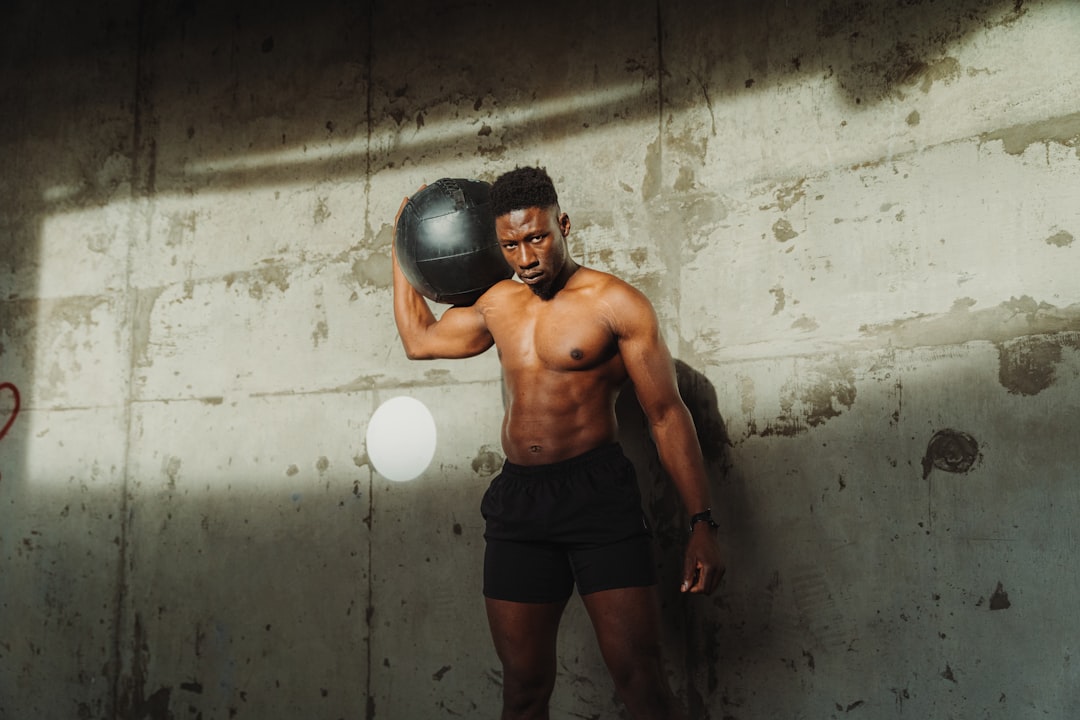
Breaking Down Popular Sport Injuries: What Every Man Should Know
Sport injuries happen to anyone who trains, competes, or just plays for fun — and men face a predictable set of risks linked to sport choice, training habits, and physiology. This definitive guide walks through the most common injuries, why they occur, how to prevent them, and step-by-step recovery strategies tailored to men who want to return stronger, smarter, and safer.
Introduction: Why men's sport injuries deserve a dedicated playbook
Injury patterns are predictable — and preventable
Across contact and non-contact sports the same injury types keep recurring: ankle sprains, hamstring strains, ACL tears, rotator cuff problems, overuse tendinopathies, and concussions. Understanding the mechanism and the recovery trajectory is the first step to cutting downtime. For sport-specific context — like the injury landscape in collegiate competition — see lessons from the changing college scene in our piece on navigating the new college football landscape and profiles on standout athletes in watching brilliance: the college football players every fan should follow.
Men have unique risk modifiers
Factors such as body mass distribution, testosterone-driven muscle mass, cultural tendencies to ‘play through’ pain, and sport selection (contact sports, bike commuting, weightlifting, etc.) shape the male injury profile. That’s why prevention and rehab plans should be tailored — not copied.
How to use this guide
Read top-to-bottom for an end-to-end plan: recognition, immediate care, diagnosis, structured rehab, return-to-play criteria, and long-term maintenance. Jump to the sport-specific sections if you’re chasing advice for cycling, climbing, running, or court sports.
1. The common injuries: what they are and how they happen
Sprains and strains (ankle, hamstring, groin)
Sprains (ligament injury) and strains (muscle/tendon injury) are among the highest-frequency problems — typically from sudden direction changes, overstretching, or explosive eccentric loading. A lateral ankle sprain occurs when the foot rolls in; a hamstring strain often happens when sprinting under fatigued conditions. Prevention centers on neuromuscular training and load management.
Ligament injuries: ACL and knee instability
ACL tears are classic in sports with cutting and pivoting. Men experience ACL injuries at high rates in football and soccer; mechanism is often non-contact: rapid deceleration, valgus collapse, or an unexpected pivot. Surgical reconstruction plus a graded rehab plan yields the best long-term outcomes.
Shoulder issues: rotator cuff and impingement
Overhead sports (throwing, racket sports) and heavy pressing in the gym increase rotator cuff strain and impingement risk. Strength imbalances in the scapular stabilizers and repeated microtrauma are the usual culprits. Rehab emphasizes eccentric loading and scapular control.
2. Sport-specific injury profiles
Football and contact sports
High-impact collisions increase concussion, shoulder, knee and ankle injury risk. Collegiate and pro landscapes change rapidly — and that impacts exposure and conditioning cycles. Read more about the college scene and how travel/competition schedules shape risk in navigating the new college football landscape and player case studies in watching brilliance: the college football players every fan should follow.
Cycling and road injuries
Cyclists face high-energy trauma in crashes and chronic issues like lower-back pain, perineal numbness, and overuse knee pain from poor bike fit. If you’re shopping for a performance bike — or a used one — know that setup and fit reduce injury risk; check our tips in trade-up tactics for the used sportsbike market and trends shaping safer family cycling in the future of family cycling.
Climbing, outdoor, and adventure sports
Climbing combines acute traumatic injury and overuse syndromes: finger pulley ruptures, shoulder strains, and falls. Real-life lessons from mountaineering show how logistics, fatigue, and weather amplify risk — see case takeaways in lessons from Mount Rainier climbers.
3. The anatomy of prevention: training, tech, and tactics
Warm-up, movement prep and neuromuscular training
Long warm-ups that include dynamic mobility, sport-specific activation, and reactive drills lower injury rates. Neuromuscular training programs — balance, proprioceptive tasks, and change-of-direction drills — reduce ACL and ankle sprain incidence when performed consistently.
Strength and eccentric loading
Targeted strength work — especially eccentric hamstring training, single-leg strength, and rotator cuff endurance — changes tissue capacity. That means tissues are better able to absorb force without failing. Use progressive overload and emphasize movement quality.
Equipment, fit, and eye protection
Properly fitted footwear, helmets, and eyewear are basic but essential. For sports played in bright sunlight or fast-paced ball sports, protecting vision is part of injury prevention: our ultimate guide to sports sunglasses explains lens choices and frame fit to reduce glare-related mistakes and eye injuries.
4. On-field and immediate care: first 48–72 hours
Stabilize, assess, and prioritize
Immediate care identifies life- or limb-threatening problems (deformity, vascular compromise). Use a calm assessment: can they bear weight? Is there obvious joint instability? If so, immobilize and seek urgent imaging. For suspected concussion, follow sideline protocols — always err on the side of removal from play.
PRICE vs. RICE: the nuance
Contemporary practice favors protection, relative rest, ice, compression, and elevation (PRICE) rather than complete immobilization. Early controlled movement, when pain allows, supports healing and reduces stiffness.
When to see a clinician
Red flags: intense deforming pain, inability to bear weight, loss of sensation, or suspected fracture. Quick imaging (X-ray/ultrasound/MRI) clarifies the diagnosis and speeds rehab planning.
5. Diagnosis and understanding imaging
What tests actually show
X-rays rule out fractures; MRI visualizes soft tissue like ACL, meniscus, and tendons; diagnostic ultrasound is excellent for tendinopathy and dynamic assessment. Imaging must be paired with a thorough physical exam — structural findings don't always equal symptoms.
Interpreting results for men
Middle-aged men often show degenerative changes that are asymptomatic; treat the person, not the picture. Clinicians will weigh function, pain, and goals before recommending surgery or conservative care.
Second opinions and shared decision-making
Big decisions like ACL reconstruction or rotator cuff surgery require weighing short-term downtime against long-term joint health. Use shared decision-making frameworks and consider nonoperative rehab when appropriate.
6. Rehabilitation: principles that actually work
Progressive loading and tissue tolerance
Recovery is about rebuilding tolerance. Early-stage isometrics and low-load mobility progress into eccentric loading and plyometrics, with clear strength and neuromuscular milestones guiding progression. Load increases should be conservative and criterion-based rather than time-based alone.
Movement re-education and sport specificity
Rehab must replicate sport demands: single-leg power for runners, upper-body deceleration for throwers. Integrate reactive drills and cognitive load as you near return-to-play to simulate game stressors.
Complementary recovery tools: sleep, nutrition, and mindfulness
Sleep and protein intake are foundational for tissue repair. Wearable devices and athlete routines can help you track recovery metrics; see athlete-inspired maintenance strategies in DIY watch maintenance and routines from top athletes for how small habits add up.
7. Rehab modalities and supportive practices
Therapeutic exercise, manual therapy, and modalities
Exercise remains the most effective tool. Manual therapy can speed short-term pain relief and range-of-motion gains. Modalities (ultrasound, shockwave) have selective value — often as adjuncts for stubborn tendinopathies.
Yoga and mobility for athletes
Yoga-based practices that focus on mobility, breath control, and joint-friendly flows can be an important adjunct during recovery phases. Practical, athlete-tailored sequences are explained in overcoming injury: yoga practices for athletes in recovery.
Technology-assisted rehab and toys that help you move
From interactive recovery tools to playful strength gear, modern options make rehab more engaging. If you want to add variety or gamify return-to-play, see ideas in fitness toys merging fun and exercise.
8. Return-to-play: criteria, testing, and psychology
Objective criteria before clearance
Clearance should be based on measurable thresholds: strength symmetry (often ≥90% limb symmetry index), hop tests, sprint velocity, and sport-specific drills. Clinical judgment and objective data together reduce reinjury risk.
Psychological readiness and resilience
Fear of reinjury and loss of confidence are common. Drawing on athlete stories — like the resilience framework in lessons from Trevoh Chalobah's comeback — helps frame psychological rehab as a planned part of recovery.
Graduated exposure and load cycling
Gradually reintroduce intensity, contact, and high-velocity tasks. Use microcycles that alternate higher and lower loads to prevent spikes that commonly precipitate reinjury.
9. Special considerations: male athletes, age, and lifestyle
Aging athletes and load tolerance
As men age, tendon elasticity and recovery speed change. Training must adapt: longer recovery windows, greater emphasis on eccentric control, and regular mobility maintenance.
Work-life balance and recovery constraints
Many men juggle jobs, families, and training. Practical strategies include prioritizing high-impact prevention work (strength and mobility) and integrating recovery tools that fit your schedule and budget.
Culture, identity, and returning to sport
Sports are identity anchors for many men. Community narratives shape behavior — from risk-taking to seeking care. Explore how sports culture impacts recovery and storytelling in pieces like sports narratives: the rise of community ownership and how sport culture intersects with new audiences in cricket meets gaming: how sports culture influences game development.
10. Real-world case studies and practical programs
Case study 1 — The weekend cyclist with knee pain
A 42-year-old commuter developed anterior knee pain after increasing weekend rides. Key fixes: bike fit correction informed by trends in family and commuter cycling (family cycling trends), eccentric quad loading, and progressive return-to-ride plan. This case highlights how equipment and load interact.
Case study 2 — The college cornerback (rapid return to play)
A collegiate athlete with a grade II ankle sprain followed a clinic-guided neuromuscular program and sport-specific exposure; coordination with team schedules and evidence-based rehab reduced downtime and improved resilience. Team calendar impacts and travel stress are discussed in navigating the new college football landscape.
Case study 3 — Overuse shoulder pain in the weekend golfer
Shoulder impingement in a weekend golfer cleared with scapular stabilization, rotator cuff eccentric work, and swing modification — a reminder that small technical changes and consistent load control prevent recurrence. Young sports stars and their injury management are discussed in young stars of golf.
11. A 12-week template: rehab program you can adapt
Weeks 1–4: Protect, regain range, and activate
Focus: pain control, joint range, basic isometrics, and gait correction. Start daily mobility and light neuromuscular drills. Keep intensity low; track pain and function.
Weeks 5–8: Strength, endurance, and progressive loading
Introduce eccentric and concentric strengthening, single-leg work, and low-impact cardio. Start sport-specific movement windows and graded plyometrics by week 8 if criteria are met.
Weeks 9–12: Power, speed, and return integration
Higher-velocity drills, cutting mechanics, and cognitive-load simulations. Re-introduce contact or full-intensity training with monitoring and objective tests (strength symmetry, hop tests).
12. Equipment, gadgets, and lifestyle tools that support recovery
Recovery tech and wearables
Heart-rate variability, sleep trackers, and GPS power meters help monitor recovery. Many athletes borrow habits from pro routines; learn simple maintenance and tracking habits from athlete-inspired guides like DIY watch-maintenance and routines.
Playful training and adherence
Adherence determines success. Adding variety via interactive or playful equipment can keep you consistent — check out ideas in fitness toys merging fun and exercise.
Culture, motivation, and celebration
Small wins matter. Celebrate milestones (safely) with teammates and family — creative approaches are detailed in unique ways to celebrate sports wins together. These rituals support motivation during long recoveries.
Pro Tip: A criterion-based progression (objective strength and function milestones) reduces reinjury risk more than a fixed-time protocol. Track one metric (e.g., single-leg hop distance) weekly and use it to guide progression.
13. Comparison table: common injuries, prevention steps, and typical recovery
| Injury | Typical mechanism | Key prevention | Acute management | Typical recovery timeline |
|---|---|---|---|---|
| Ankle sprain | Roll/ inversion on uneven surface | Balance/ proprioception, stable footwear | PRICE, early mobilization | 2–8 weeks (grade dependent) |
| Hamstring strain | High-speed sprint with fatigue | Eccentric hamstring training, sprint technique | Relative rest, graded loading | 3–12+ weeks (severity dependent) |
| ACL tear | Cutting deceleration, pivot | Neuromuscular training, landing mechanics | Immobilize, ortho referral | 6–12 months (reconstruction) |
| Rotator cuff tendinopathy | Overhead repetition, imbalance | Scapular control, cuff strengthening | Relative rest, targeted physio | 6–16 weeks (conservative) |
| Concussion | Direct blow or acceleration-deceleration | Rule changes, proper tackling, education | Remove from play, graded return | 7–28+ days (individual) |
| Patellofemoral pain | Overuse, poor tracking | Load management, hip/quad strength | Activity modification, rehab | 4–12 weeks |
14. Sports culture, storytelling, and recovery narratives
How storytelling shapes behavior
Sports narratives — from local clubs to media platforms — shape what athletes normalize. Coverage that highlights recovery, rehab work, and patience encourages safer choices. See analysis of evolving sports narratives in sports narratives: the rise of community ownership.
Cross-over lessons from other sports
Table tennis and cricket cultures show how different sports promote movement literacy; cross-training ideas can reduce monotony and injury risk. Read how table tennis transformation influenced participation in the rise of table tennis, and how cricket culture informs broader sport development in cricket meets gaming.
Role models and youth engagement
Young athletes model behaviors from role models. Highlighting transparent recovery journeys — from pro golfers to college standouts — helps younger players adopt prevention habits early. See golf youth trends in young stars of golf.
15. Final words: how to build a durable athlete over years
Consistency beats intensity
Small, consistent investments in strength, mobility, and recovery outperform periodic large efforts. Build a weekly template and stick to it.
Plan for setbacks
Reinjury is part of sport. Have a plan: quick access to competent clinicians, a trusted physio, and a graded rehab protocol.
Stay curious and informed
Use resources to learn continuously. For example, dive into practical product and culture pieces that influence how men train and recover, from athlete routines to playful fitness solutions found in fitness toys and community storytelling pieces like sports narratives.
Frequently Asked Questions (FAQ)
Q1: How do I know if my injury needs surgery?
A1: Surgery is usually considered for structural instability (e.g., complete ACL tear with functional instability), large tendon tears, or fractures with displacement. Most tendinopathies and partial tears resolve with structured rehab. Always get a clinician assessment and consider a second opinion for major operations.
Q2: Can I keep training with an injury?
A2: Often yes — but the type of training must change. Offload the injured tissue and maintain general fitness with low-impact alternatives (swimming, cycling if the knee tolerates it). The goal: maintain conditioning without reinforcing the injury mechanism.
Q3: How long before I can return to contact sport?
A3: It depends on the injury and meeting objective criteria. For example, a high-grade ankle sprain may need 6–8 weeks; ACL reconstruction usually requires 6–12 months. Use testing benchmarks rather than arbitrary time alone.
Q4: Are there supplements that speed recovery?
A4: Supplements can support recovery (e.g., adequate protein, vitamin D if deficient), but they’re adjuncts — not primary treatments. Prioritize sleep, nutrition, and progressive rehab first.
Q5: How can I avoid chronic knee pain as I age?
A5: Maintain quadriceps and hip strength, manage bodyweight, avoid sudden training spikes, and address biomechanical faults early. Periodic professional checks (gait, footwear, bike fit) can identify early drivers.
Related Tools and Further Reading
Want deeper dives and practical product advice? Explore these curated reads and resources to continue your learning.
- Navigating the New College Football Landscape - Why schedules and travel matter for athlete recovery and injury risk.
- Conclusion of a Journey: Mountaineering Lessons - How expedition logistics influence injury outcomes.
- DIY Watch Maintenance & Athlete Routines - Practical daily habits borrowed from athletes to improve recovery consistency.
- Yoga for Athletes in Recovery - Mobility and breath practices tailored for rehab phases.
- Choosing the Right Sports Sunglasses - Protect your vision and reduce glare-related injuries during outdoor sport.