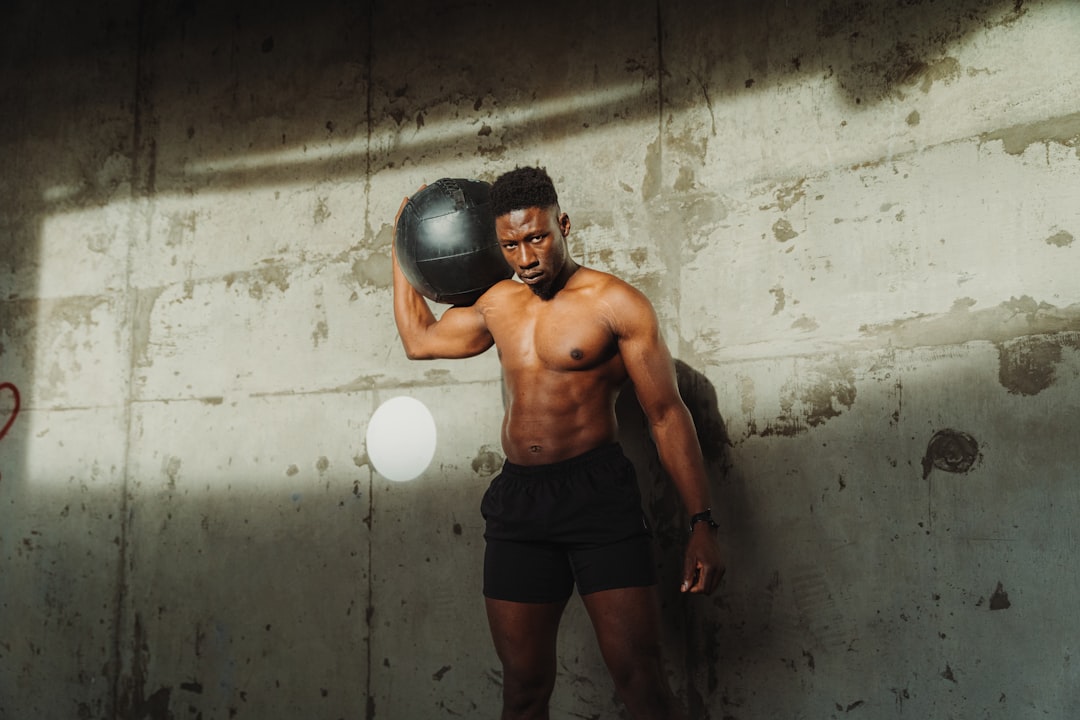
Professional athletes—especially high-profile NFL players and other celebrity competitors—are constantly under the microscope. What they do off the field to look sharp feeds sponsorships, public image and confidence. This definitive guide dissects the daily grooming playbook of pro athletes, translates it into practical routines for men at every level of fitness, and points to evidence-backed habits that actually move the needle.
Why Image and Grooming Matter for Athletes (and For You)
More than vanity: performance, endorsements and confidence
Athletes’ appearance intersects with performance, marketability and mental state. Teams and brands evaluate how an athlete presents himself; a polished image can make the difference between a promotional campaign and a missed sponsorship. For actionable context on how nutrition affects performance (and therefore how you’ll look and recover), see insights in Unlocking the Power of Nutrition for Optimal Performance.
Why grooming is part of modern athlete self-care
Grooming routines are part of broader self-care protocols used by elite athletes to maintain skin integrity, reduce infection risks after injuries, and present well in media appearances. For trustworthy advice on evaluating health info—important when athletes adopt new beauty or recovery trends—consult Navigating Health Information: The Importance of Trusted Sources.
Public perception and mental edge
Looking put-together can give athletes a psychological edge. Image-conscious behaviors signal discipline and readiness—traits that translate into on-field focus. Stories about athlete resilience also connect grooming with recovery, as shown in Injury and Opportunity.
Core Grooming Habits Pro Athletes Swear By
Consistency: routines that run like training programs
Top athletes follow simple, repeatable regimens: cleanse, treat, protect morning and night; trim facial hair weekly; schedule pro grooming visits before media-heavy weeks. These behaviors are like micro-training blocks that compound over time.
Minimalism with high-signal products
Pros tend to use fewer products but select highly efficacious ones. The trend toward minimalist packaging and formulas in anti-aging and skincare has grown in popularity because it reduces sensitizing ingredients; read about The Advantages of Minimalist Packaging in Anti-Aging Products to understand the consumer and product-side logic.
Pro grooming teams: stylists, dermatologists, barbers
Many elite athletes have a small crew: a trusted barber, dermatologist and a stylist. Creating an inviting, consistent space—like the barbering and salon environments recommended in Redefining Workspaces—helps ensure reliable outcomes every time an athlete walks in for a cut or treatment.
Skincare Routines: Game-Day vs. Off-Season
Game-day essentials: fast, functional and protective
Before a game athletes want quick routines that protect and won't interfere with helmets or equipment. That means lightweight, non-greasy sunscreen (SPF 30+ broad spectrum), an oil-free moisturizer, and a lip balm. For athletes prone to chafing or irritation under gear, barrier balms are common.
Recovery and repair: the night-time priority
Night routines focus on repair: gentle exfoliation 1–3 times weekly, retinoid or peptide serums as tolerated, and richer moisturizers applied to replenish skin lipids. Nutrition plays a role in skin recovery—see how athletes pair dietary strategies and skin outcomes in The Role of Nutrition in Athletic Recovery.
Seasonal adjustments
Cold weather demands thicker moisturizers; summer calls for lighter textures and stricter sun protection. Athletes traveling for road games must adjust—pack travel-sized essentials and an SPF to avoid sunburns on foreign fields; learn smart travel packing in Smart Packing: How AirTag Technology is Changing Travel and consider the travel tech and routines in Your Digital Travel Companion.
Facial Hair, Barber Secrets and Scalp Health
Strategic facial hair for age and persona
Many athletes use facial hair to project maturity or approachability. The key is maintenance—clean lines and regular trims. A weekly at-home trimming session and monthly barber visit keeps the look intentional. Learn how curated workspaces like barbershops support a polished look in Redefining Workspaces.
Scalp care: why the skin under the hair matters
Scalp integrity affects hair thickness and comfort under helmets. Athletes use gentle shampoos, periodic exfoliating scalp treatments, and topical options for men experiencing thinning. For athletes balancing gear and heat, consider heat-management insights from sports applied to skin and scalp in Zoning In: How Heat Management Tactics from Sports Can Boost.
Barber relationships: the invisible performance boost
A good barber is part technician, part image consultant. High-profile athletes often schedule barber visits around media cycles. Building that relationship helps ensure consistent pre-game presentation and is a small but high-impact part of professional self-care.
Body Grooming, Tattoos and Skin Integrity
Managing body hair under uniforms
For some sports, like swimming and cycling, body hair is minimized to reduce drag; in football, body grooming can help with taping and wound care. Athletes use electric trimmers for durability and minimal irritation.
Tattoo care protocols
Athletes often have extensive tattoo coverage. Fresh tattoos require strict aftercare—gentle cleansing, fragrance-free moisturizers, and sun protection. During travel and recovery, they follow regimented plans to prevent infection and fading.
Skin checks and infection prevention
Open wounds and turf burns are infection risks. Athletes prioritize antiseptic cleansing and sometimes topical antibiotics. Teams often have protocols for wound management; if you're adopting any medicated products consult a clinician first and lean on trusted health sources like Navigating Health Information when evaluating treatments.
Nutrition, Recovery and Sleep: The Foundational Grooming Secrets
Nutrition’s visible effects on skin and hair
Dietary patterns reflect quickly in skin tone, blemish frequency, and hair health. Athletes manipulate macronutrients and micronutrients to optimize repair and appearance. For an in-depth primer on nutrition’s role in performance and appearance, consult Unlocking the Power of Nutrition for Optimal Performance and comparative perspectives in Comparing Sports Nutrition.
Recovery tools that aid appearance
Recovery improves circulation, reduces inflammation, and supports sleep—factors that influence skin clarity and puffiness. Athletes use pneumatic compression, cryotherapy and evidence-backed sleep tools. A guide to top sports recovery tools and sleep-supporting bedding is available at Top 5 Sports Recovery Tools for Better Sleep.
Mindful eating and lifestyle alignment
Mindful eating helps athletes avoid inflammatory triggers that worsen acne or slow repair. Techniques shown to improve eating awareness are covered in Mindful Eating: Techniques to Cultivate Awareness During Meals, which pairs well with seasonal meal planning in Rethinking Meal Kits.
Travel Grooming: Staying Put-Together on the Road
Compact, high-performance kits
Athletes traveling for road games pack efficient kits: dual-purpose products (SPF + moisturizer), travel cleansers, and a razor or trimmer. For devices that make travel easier, see Smart Packing and the digital ID conveniences in Your Digital Travel Companion.
Pre-game hotel checklist
Pro athletes often carry emergency basics in carry-on: sunscreen, a soothing moisturizer, a small first aid kit, and a barber-quality comb. A compact routine reduces the risk of last-minute skin flares.
Tech and logistics for presentation
Being on time and prepared reduces stress-induced breakouts or sleep loss. For organizational and algorithmic learning applicable to routines and consistency, content creators take cues from approaches to staying relevant in Adapting to Algorithm Changes, and athletes use similar day-planning tactics.
Products, Tools and Pro Recommendations (Comparison Table)
Below is a side-by-side comparison of popular product categories and athlete-friendly options. Use it to build a compact, high-signal grooming kit. Rows compare product category, why athletes use it, what to look for, recommended frequency, and travel rating.
| Product Category | Why Athletes Use It | Key Features to Look For | Frequency | Travel-Friendly |
|---|---|---|---|---|
| SPF Moisturizer | Daily sun protection, prevents hyperpigmentation | Broad-spectrum, SPF 30+, non-greasy | Daily AM | High |
| Gentle Cleanser | Removes sweat and dirt without stripping | Sulfate-free, pH-balanced | AM & PM | High |
| Retinoid or Peptide Serum | Promotes repair and collagen, reduces texture | Low-irritant formulas, start low and ramp up | PM (2–4x weekly to daily by tolerance) | Medium |
| Anti-chafe Balm | Prevents irritation from gear | Fragrance-free, occlusive agents | Pre-practice / game | High |
| Electric Trimmer | Fast, safe facial & body grooming | Multiple guards, waterproof | Weekly | High |
| Compression/Cryo Tool | Speeds recovery and reduces inflammation | Clinically backed or well-reviewed | Post-exertion | Medium |
Pro Tip: Build a two-week test kit—try minimal products for two weeks and note skin changes. Athletes iterate quickly; you should, too.
Style, Footwear and Final Touches
Sneaker care and image consistency
How an athlete looks at games and events includes footwear. Sneaker condition is part of brand alignment; the sneaker resale market shows how important well-curated gear is—see cultural and resale insights in The Rise of Sneaker Resale.
Wardrobe basics athletes rely on
A reliable capsule wardrobe—clean lines, fitted basics, and signature pieces—makes appearances easier. Many athletes work with stylists; prepped grooming complements wardrobe choices and date-night planning, which overlaps with recommendations in Date Night Essentials.
Fragrance and scent discipline
Fragrance choices are subtle. Athletes often use low-strength, short-projection scents for media and public settings—enough to add polish without overpowering teammates or fans.
Case Studies: Celebrity Athlete Routines You Can Emulate
Case Study 1 — The Workhorse NFL Starter (routine blueprint)
This archetype uses a tight AM/PM skincare loop: gentle cleanse, exfoliate twice weekly, morning SPF, PM peptide/retinoid, weekly barber trims. Nutrition prioritizes recovery carbs and protein; see applied nutrition practices in Comparing Sports Nutrition and meal inspiration from Cricket-Inspired Cuisine.
Case Study 2 — The Traveling All-Star (what changes on the road)
Traveling athletes carry a streamlined kit and rely on sleep and recovery tools to maintain skin. For packing systems and travel tech that protect routines, see Smart Packing and the digital ID advice in Your Digital Travel Companion.
Case Study 3 — The Image-Focused Veteran (brand & longevity)
Veteran athletes invest in long-term anti-aging and hair care strategies and tend to favor minimalist, clinically-oriented products. The packaging and product philosophy are discussed in The Advantages of Minimalist Packaging.
How to Build Your Own Athlete-Grade Grooming Routine (7-Step Plan)
Step 1: Audit and prioritize
Start with a two-week audit—track sleep, diet and product reactions. Use the audit to identify one skin or hair issue to tackle first (acne, dryness, irritation).
Step 2: Simplify product selection
Choose a gentle cleanser, SPF moisturizer, a repair serum, and a trimmer. Keep packaging and formulations simple—echoing general market trends in sustainability and product design covered in Rethinking Meal Kits (concepts of seasonality and simplicity apply across lifestyle products).
Step 3: Align grooming with recovery and nutrition
Pair topical routines with recovery habits—sleep, anti-inflammatory foods, and periodic recovery tool use. See practical recovery tools in Top 5 Sports Recovery Tools and nutritional support in Unlocking the Power of Nutrition.
Step 4: Create a maintenance schedule
Schedule barber visits, dermatologist check-ins, and rest days for your skin and body. Consistent scheduling is as important as consistent training; habits compound.
Step 5: Travel-proof your kit
Make a “travel edit” of your kit with multi-use items, and keep them in a reliable pouch. For tech and packing ergonomics that pros use, read Smart Packing.
Step 6: Monitor and adapt
Document changes monthly. If you try potent actives (retinoids), ramp slowly and consider professional advice—trusted health information helps here: Navigating Health Information.
Step 7: Invest in relationships
Find a barber or dermatologist who understands your schedule and needs. Team-based care is the pro model mirrored in elite athlete circles and salon design thinking in Redefining Workspaces.
Final Takeaways: What Everyone Can Adopt from Celebrity Athlete Grooming
Celebrity athletes compress years of trial and error into repeatable rituals. The transferable lessons are simple: prioritize sleep and nutrition, minimize product overload, protect skin from the sun, maintain hair and beard with consistent trims, and travel with a pared-down, effective kit. When you align grooming with recovery and daily routines you create sustainable improvements in appearance and confidence. For a holistic view combining nutrition, recovery and lifestyle, explore applied content in The Role of Nutrition in Athletic Recovery and creative teamwork ideas from related lifestyle pieces like Lessons in Teamwork.
FAQ: Common Questions About Athlete Grooming
Q1: Do professional athletes use prescription skincare?
A1: Some do—especially for acne, eczema or significant photoaging. Always consult a board-certified dermatologist before starting prescription treatments.
Q2: How often should I visit a barber?
A2: For a maintained look, every 2–4 weeks for facial hair shaping and 3–6 weeks for a full haircut, depending on style and growth rate.
Q3: Can grooming routines improve performance?
A3: Indirectly—better sleep, less skin irritation, and higher confidence can all support better focus and recovery, which feed performance.
Q4: What travel grooming items are essential?
A4: SPF moisturizer, gentle cleanser, multi-use balm, electric trimmer, and a compact first-aid item. Tech aids like packing trackers can minimize loss—see Smart Packing for practical tips.
Q5: How should athletes approach product marketing and trends?
A5: Prioritize evidence and trusted sources. Trends can be helpful, but cross-check claims with reputable health resources such as Navigating Health Information.
Related Reading
- Score the Best Apple Product Deals - How to snag tech that helps you track recovery and routines.
- Deals That Make You Go ‘Wow’ - Seasonal shopping strategies for grooming and gear.
- Mastering Your Swim Performance - Performance analogies and discipline lessons.
- The Future of AI in Journalism - How media trends affect athlete image management.
- Securing Your Smart Home - Tech hygiene parallels for personal routine security.