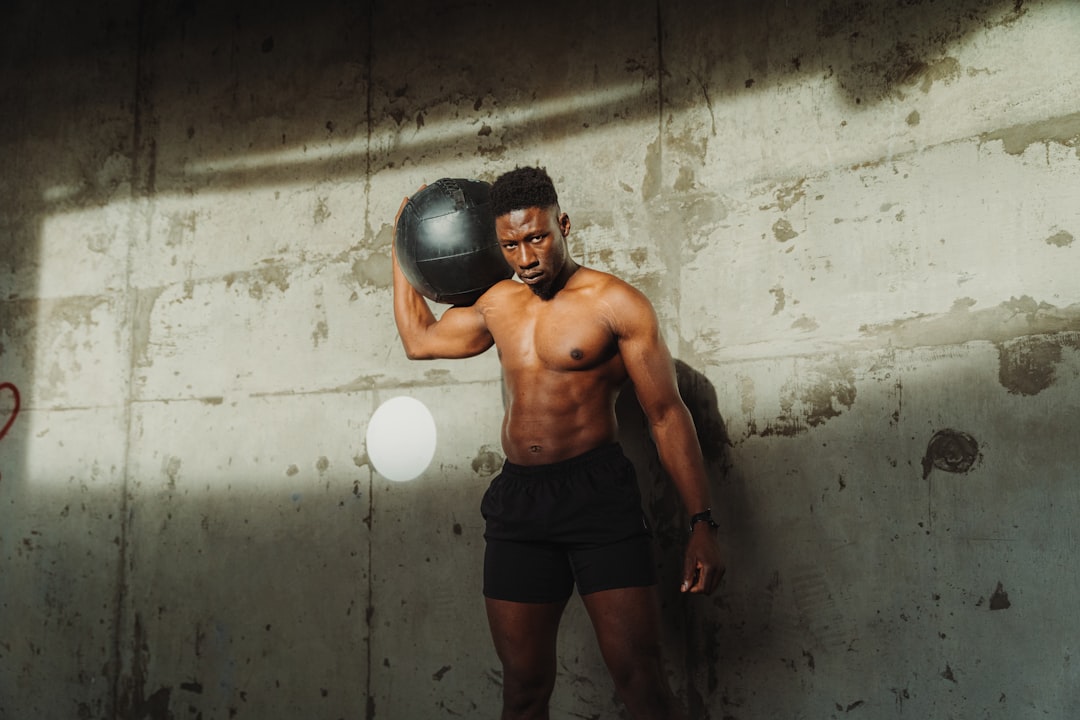
Play isn't just child's stuff. For men, play — through recreation, sports, and informal competitive moments — acts as a potent lever for mental health, resilience, and social connection. This deep-dive explains why play matters, how team dynamics shape outcomes, and practical steps men, caregivers, and wellness professionals can use to design play-focused routines that boost mood, reduce stress, and improve life satisfaction.
This guide integrates applied examples (from futsal courts to workplace teams), evidence-based frameworks, and tactical how-to advice for reintroducing playful recreation into busy lives. For context on what athletes teach about mental training, see how professionals translate sport mentality into everyday wellbeing in Collecting Health: What Athletes Can Teach Us About Mindfulness and Motivation.
1. Why "Play" Is a Core Driver of Men's Mental Health
Defining play beyond recreation
Play is a spectrum: from pickup basketball and recreational soccer to social viewing parties and playful hobbies. Unlike purely goal-driven exercise, play emphasizes intrinsic enjoyment, experimentation, and social connection. Reframing recreation as a mental health activity lets men prioritize it without the pressure to perform.
Neurobiology: what play does to the brain
Play activates reward systems (dopamine), reduces stress hormones (cortisol), and improves executive function by offering low-stakes contexts for learning and risk-taking. These neurochemical shifts improve mood and cognitive flexibility — critical factors in preventing depression and burnout. For practical insights into how structured physical routines can support mental resilience, check our look at nutrition and movement preparation in Prepping the Body: Nutrition for a Thriving Hot Yoga Routine.
Sociality and belonging as protective factors
Feeling connected is one of the strongest buffers against poor mental health. Play that occurs in teams or groups builds social capital: regular interaction, shared goals, inside jokes, and mutual accountability. The NFL's role in community-building offers concrete examples of how team-based experiences create a sense of belonging — useful inspiration for organizing local recreation in communities (NFL and the Power of Community in Sports).
2. Recreation vs. Competition: Finding the Balance
When competition helps — and when it harms
Competitive drive can enhance focus, discipline, and confidence when it's applied moderately. However, hyper-competitive environments can make recreation a source of stress. The care is to preserve play's intrinsic joy while harnessing competition's motivational power. To see how athletes and gamers strike that balance, consider mindset lessons in Building a Winning Mindset.
Practical rules to keep play restorative
Set one or two rules: 1) No-post-activity performance talk for the first 30 minutes, 2) Rotate roles so everyone experiences leadership and followership, 3) Emphasize humor and mistakes as learning. These micro-rules keep recreational sessions playful and psychologically safe.
Adapting competitive training into recreational formats
Insert goal-based mini-games (short drills, time-limited challenges) inside casual play. This keeps the thrill of challenge without turning the whole activity into high-stakes training. Clubs adapting to post-performance stress often adopt these formats — a strategy mirrored in professional turnarounds like Juventus' management of adversity and morale (Tackling Adversity: Juventus' Journey).
3. Team Dynamics: The Social Engine of Play
Core elements of healthy team dynamics
Teams that protect members' mental health share three features: psychological safety, shared identity, and structured rituals (warm-ups, post-play debriefs, social gatherings). Team spirit and shared symbols — jerseys, rituals, or slang — reinforce belonging and make play feel meaningful (see analysis on collective style and team spirit in The Power of Collective Style).
Leadership matters: captains, coaches, and peers
Leaders set tone. Small actions — encouraging words after an error, inviting sidelined players to hydrate and chat — foster inclusion. Lessons from coaching structures, including how gaming and esports are professionalizing coaching roles, offer transferable techniques for community sport leaders (Analyzing Opportunity: Top Coaching Positions).
How trade talks and roster moves show the limits of team stability
Player movement and organizational decisions can destabilize group identity. Real-world sports coverage, like trade talk analysis for superstar players, shows how uncertainty impacts team cohesion and individual wellbeing — an analogy for workplace reorganizations and social groups (Trade Talks and Team Dynamics).
4. Sports as Play: Best Modalities for Mental Health
Team sports: maximal social returns
Sports like soccer, basketball, and futsal deliver high social interaction and repeated low-stakes competition. Behind-the-scenes reporting on futsal tournaments shows how seasonal sport circuits create strong community bonds and ritualized belonging for players and fans alike (Futsal: Season Highlights & Community Impact).
Individual sports with social structure
Running, swimming, or climbing can be solitary but benefit from club structures and group sessions. Open-water swimmers and their gear reviews offer insight into how solo disciplines still foster community through shared standards and swim meets (Swim Gear Review).
Outdoor and low-equipment play (hiking, casual games)
Trail days, hikes, and low-gear play are accessible and restorative. Gear matters less than ritual: set a weekly morning hike, invite a rotating group of friends, and follow with coffee — practical tips covered for outdoor enthusiasts in Essential Gear for Cold-Weather Coffee Lovers on the Trail.
5. Physical Activity Types: Mental Health Trade-offs
High-intensity team sports
Benefits: quick stress relief, social bonds, improved sleep. Costs: injury risk, potential for excessive competitiveness. Structure minutes to avoid burnout: two high-intensity sessions/week plus one playful, low-pressure day.
Mind-body and recovery play (yoga, mobility)
Practices like hot yoga and guided mobility help recalibrate the nervous system and encourage internal focus. Resources on preparing the body nutritionally for mind-body routines are practical starting points (Prepping the Body: Nutrition for Hot Yoga).
Casual social play (watch parties, rec leagues)
Even passive shared experiences — watching a game together or hosting a pizza night after play — create rituals of bonding. Designing family-friendly viewing or social events can keep play inclusive; learn how to build those environments in Game Day Dads: Family-Friendly Sports Viewing.
6. Practical Play Prescriptions: Putting Recreation into Routine
Weekly structure: a sample 4-week play plan
Week 1: Two casual team sessions (60 minutes), one solo recovery activity (30–45 minutes). Week 2: Add a skill challenge day and an outdoor hike. Week 3: Invite a guest player/family to a session; host a social cooldown. Week 4: Mini-tournament with rotating teams. These progressive steps build habit and social anchoring.
Gear, comfort, and recovery (practical tips)
Comfort equals participation. Choose breathable, recovery-forward clothing; athlete-inspired loungewear helps men feel sporty off the field and stick with recovery rituals (How to Score Style Points: Athlete-Inspired Loungewear). For care and longevity of active wardrobes, practical maintenance guidance is useful (Caring for Your Athlete-Inspired Wardrobe).
Scheduling tools and accountability systems
Use shared calendars, messaging groups, and rotating responsibilities (host, hydrate captain, playlist curator) to keep sessions running. Leaders can borrow lessons from modern coaching roles to assign responsibilities that increase ownership (Analyzing Opportunity: Top Coaching Positions).
7. Case Studies: Teams, Players, and Communities
When teams handle adversity well: Juventus' example
Juventus' recent seasons show that clubs that invest in psychological support and clear communication handle slumps better. Their stewardship of player morale during poor performance spells illustrates how institutional play culture influences mental health (Tackling Adversity: Juventus).
Superstar movement and psychological ripple effects
High-profile trade talk creates anxiety among teammates and fans. Media coverage around star player futures has real impact on team cohesion — something managers must consider when building a stable culture (Trade Talks and Team Dynamics).
Community-driven sport and localized mental health gains
Local futsal circuits and community leagues drive year-round interaction and ritual. Organizers frequently report improved mental wellbeing among participants, especially when tournaments include social events and family engagement (Futsal: Community Impact).
Pro Tip: Start with play that removes two friction points: location and time. A weekly 60-minute session at a familiar field at the same time each week yields stronger adherence than varied schedules.
8. Measuring the Mental Health Impact of Play
Simple metrics to track progress
Track mood before and after a session (1–10 scale), sleep quality, perceived stress (brief questionnaires), and social engagement (number of social interactions/week). Over 6–8 weeks, patterns often show improved baseline mood and better sleep when play is consistent.
When to involve a clinician
If mood scores don't improve after 8–12 weeks, or if sessions surface severe anxiety, substance misuse, or suicidal thoughts, refer to mental health professionals. Play is preventive and therapeutic but not a substitute for clinical care.
Evidence and economic stressors
Financial stress undermines the benefits of recreational play. Studies show that debt and financial strain elevate baseline anxiety and reduce the capacity to engage socially; see our primer on debt and mental wellbeing for context and mitigation approaches (Weighing the Benefits: Debt & Mental Wellbeing).
9. Overcoming Common Barriers to Play
Time and family responsibilities
Make play family-friendly or time-box sessions. Hosting mixed sessions (short family match plus social cooldown) increases inclusivity; advice for family-centered viewing and participation is available in Game Day Dads.
Cost and equipment concerns
Choose low-equipment sports or rotating pooled gear. Community swap days and second-hand gear markets help reduce costs. If planning outdoor adventures, minimal essential kit is more important than expensive brands — practical gear checklists help with planning (Essential Gear for Trail).
Stigma, identity, and perfectionism
Men often avoid play due to identity constraints or fear of ridicule. Promote vulnerability by modeling it: team captains sharing struggles normalizes play as a site for emotional safety. Organizational campaigns that celebrate playful mistakes (e.g., “best blooper” nights) reduce the perfectionism that kills participation.
10. Designing Play-Focused Programs: For Coaches, Employers, and Caregivers
Program structure and roles
Design programs with rotating leadership, clear psychological safety rules, and mixed-skill formats. Coaches and leaders can borrow frameworks from esports and traditional sport coaching to structure sessions that emphasize inclusion and skill development (Top Coaching Positions: Lessons).
Integrating play into workplace wellness
Employers can offer lunchtime rec leagues, walking challenges, or company teams that prioritize fun over performance. These initiatives build belonging and reduce burnout; marketing and event lessons from large game-day viewership strategies can be adapted to workplace events (Rethinking Super Bowl Views).
Caregiver strategies for encouraging play
Caregivers and partners can enable play by managing logistics (childcare swaps for game nights), providing emotional encouragement, and reframing play as maintenance rather than indulgence. Small nudges — offering to host the social cooldown — make a big difference.
11. Actionable Checklist: Starting Your Play Habit (30/60/90 day plan)
30 days: start small
Commit to one 60-minute recreational session per week. Recruit one friend, choose a consistent time and place, and agree on three play rules that prioritize fun. Keep a short mood log after each session.
60 days: build consistency
Add a second social play session or a recovery-focused habit (yoga or swim). If you need inspiration for individual yet social routines, note how athletes mix solo and group work in swimming communities and athlete-guided recovery tips.
90 days: scale and sustain
Design a light seasonal tournament, invite family, and create rituals (post-play meal, weekly highlights). Celebrate progress and normalize off-weeks without guilt. Style and comfort choices that make recovery inviting, like athlete-inspired loungewear, help sustain the habit (Athlete-Inspired Loungewear).
12. Frequently Asked Questions
Q1: Isn't play just entertainment — can it really treat depression or anxiety?
A1: Play is not a substitute for clinical therapy, but it is a proven preventive and adjunctive tool. Regular social play improves mood, reduces loneliness, and supports sleep — all protective factors against depression and anxiety. If symptoms are severe or persistent, combine play with professional care.
Q2: How do I convince friends to join without sounding needy?
A2: Frame the invite as low-commitment and social — "an hour of fun, no pressure." Offer rotating responsibilities (playlist, snacks) to increase buy-in. Borrow organizing ideas from community-driven sport models to make the session attractive (Futsal community examples).
Q3: What types of play are best for men over 45?
A3: Low-impact team sports, walking/hiking groups, swimming, and mind-body sessions (yoga) are excellent. Emphasize social rituals and recovery, and scale intensity according to capacity. Consult resources designed for gentle but engaging activities like swimming reviews and hot yoga prep tips (swim gear, hot yoga).
Q4: How can workplaces realistically implement play-focused wellness?
A4: Start with short, low-cost events: a lunchtime walking club, a monthly casual rec league, or an after-work chill sports night. Use shared calendars and debriefs to build rituals. Marketing lessons from large sporting events can help structure attractive workplace offerings (Rethinking Super Bowl Views).
Q5: Are there risks of aggravating injuries during play?
A5: Yes — but risks are manageable. Warm-ups, cross-training, and appropriate gear reduce risk. Invest in quality basics (footwear, protective gear) and adopt rotation rules to limit overuse. See practical gear and care guidance to reduce wear-and-tear (Caring for Your Athlete-Inspired Wardrobe).
13. Comparison Table: Types of Play & Mental Health Trade-offs
| Activity | Socialization | Intensity | Accessibility (cost/space) | Mental Health Benefits | Recommended Frequency |
|---|---|---|---|---|---|
| Team Sports (soccer, basketball, futsal) | High — regular interaction | Moderate–High | Moderate — need space/ball | Belonging, stress relief, improved sleep | 1–3x/week |
| Individual Cardio (running, cycling) | Low–Medium (clubs available) | Moderate–High | High accessibility (minimal equipment) | Autonomy, mood regulation, cognitive clarity | 2–4x/week |
| Water Sports / Swimming | Medium (lanes / meets) | Low–High | Moderate — access to pool/open water | Low-impact recovery, stress reduction | 1–3x/week |
| Outdoor Recreation (hiking, trail days) | Medium — social hikes common | Low–Moderate | High accessibility (public trails) | Nature-based stress relief, improved mood | 1–2x/week |
| Mind-Body (yoga, mobility) | Low–Medium (classes) | Low | High accessibility (small space) | Anxiety reduction, improved focus | 2–4x/week |
14. Final Thoughts and Next Steps
Play is a practical, scalable tool for improving men's mental health. Team dynamics amplify benefits by creating belonging, accountability, and ritual. Start with small, consistent actions: a weekly 60-minute session, ritualized warmups, and a social cooldown. Use the measurement tools outlined above to track mood and adjust plans.
If you want program examples and inspiration, look at how communal sporting experiences are structured across contexts — from community leagues to professional examples like the NFL — to model the structure for your group (NFL community lessons).
For tactical inspiration on gear and comfort (which increases adherence), see reviews of sport-specific equipment and lifestyle integrations like loungewear and wardrobe maintenance (Swim Gear Review, Athlete-Inspired Loungewear, Caring for Athlete Wardrobe).
Finally, treat play as essential maintenance — not a reward. When organizations and individuals prioritize playful recreation, men gain more than fitness: they get connection, resilience, and a buffer against life's stresses.
Related Reading
- Building a Skincare Routine - How active ingredients support skin health for men who sweat, shower, and recover hard.
- The Future of Keto - Dietary trends that athletes and recreational players might consider for energy management.
- Must-Watch Beauty Documentaries - Inspiration for wellness routines and self-care narratives.
- Disco Scallops - Food culture reads for group meal ideas after play.
- Most Popular Sunglasses Styles - Practical style tips for outdoor players and weekend trail days.