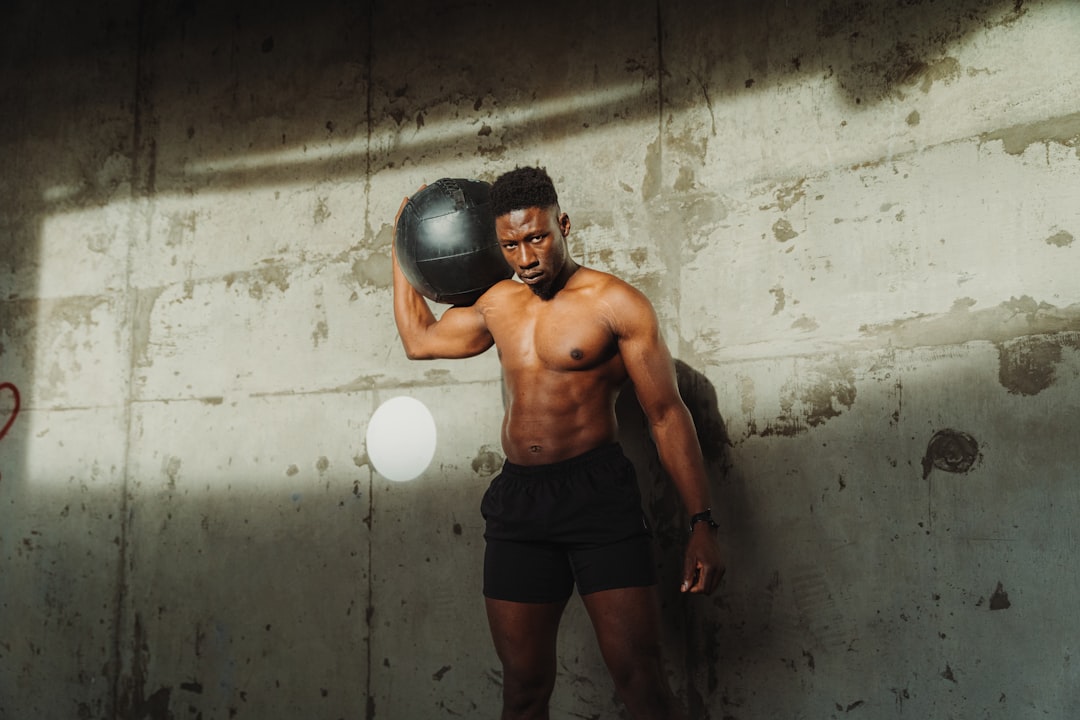
For many men, being a fan of sports is about more than just the game. It represents passion, community, and inspiration. But beyond the excitement of cheering for favorite teams or athletes, sports fandom has a transformative power—it can motivate healthier lifestyle choices. Whether it’s adopting workout routines inspired by athletic heroes, leveraging the community support of fellow fans, or harnessing the motivation drawn from competition and achievement, the world of sports offers a dynamic blueprint for improved fitness and overall vitality.
Understanding the Fan Lifestyle and Its Potential for Health Motivation
What Defines the Fan Lifestyle?
The fan lifestyle revolves around engagement and emotional investment in sports events, teams, and athletes. It includes following games live or on broadcasts, participating in fan communities, and embracing rituals such as wearing team colors or attending events. Interestingly, this lifestyle can be leveraged as a springboard for personal growth and health improvement. New York Mets' 2026 complete revamp exemplifies how evolving sports experiences can reenergize fan interaction—similarly, fans can renew personal fitness commitments inspired by their passion.
Linking Sports Fandom to Healthy Choices
Research in behavioral psychology indicates that identification with sports teams and athletes increases motivation to emulate admired behaviors. For men, this often means adopting physical activity patterns or healthy habits modeled by athletes. Viewing sports through this lens transforms passive watching into an active motivator for embracing wellness, which entwines with lifelong fitness goals.
Transitioning From Passive Watching to Active Participation
Sports fans often start by observing, but can gradually adopt active lifestyles by engaging in training programs that mimic athlete regimens or joining local sport-based fitness groups. This progress from spectator to participant fosters accountability and sustains motivation, especially when accompanied by community support.
Athletic Inspiration: Taking Cues From the Pros
Training Methods Used by Famous Athletes
Elite athletes follow disciplined, scientifically grounded fitness regimens tailored to their sport's demands. For instance, professional basketball players integrate strength training and plyometrics to improve explosive power, while endurance athletes focus on interval training combined with effective recovery nutrition. Men can adopt these methods incrementally by starting with manageable goals aligned with personal fitness levels.
For detailed workout plans inspired by top athletes, our guide on building muscle workout plans offers practical routines blending strength and conditioning principles used by pros.
Nutrition Strategies from the Sporting World
Nutrition underpins athletic success. Many athletes follow balanced diets rich in protein, complex carbohydrates, and healthy fats to fuel training and optimize recovery. Supplements, when used wisely, can close nutritional gaps. Men looking to emulate athlete nutrition should consider personalized meal planning and evidence-backed supplements for enhancing energy and recovery.
Explore our resource on safe supplement dosing and nutritional basics for expert-backed advice tailored to men’s health needs.
Recovery Practices to Boost Performance
Athletes prioritize rest and recovery through sleep, hydration, and active recovery techniques like foam rolling or light aerobic activity. These habits aid muscle repair and prevent injury. Emulating these recovery strategies will enhance your workout results and sustain long-term fitness progress.
Our deep dive to recovery nutrition and strategies explains how proper nutrients and rest optimize fitness goals.
Motivation Through Sports: Psychological Drivers to Harness
The Power of Identification and Aspiration
Fans naturally identify with their favorite teams or players. This identification can spark aspirations to embody similar qualities—discipline, resilience, and physical prowess. By reframing fandom as a source of personal inspiration, men can convert admiration into actionable fitness goals.
Setting Realistic and Measurable Fitness Goals
Inspired by sports, setting SMART (Specific, Measurable, Achievable, Relevant, Time-bound) fitness goals enables steady progress, mirroring the measurable performance improvements athletes strive for. For instance, aiming to increase endurance by running a 5k race over 12 weeks connects motivation to tangible achievement.
Visualizing Success Using Sports Role Models
Visualization techniques, where you mentally rehearse achieving your fitness goals, are widely used by athletes. Emulating this mental training can reinforce motivation. Picture yourself completing challenges or adopting routines popularized by athletes you admire to boost your confidence and commitment.
Community Support: Leveraging Fan Networks for Active Lifestyles
The Role of Fan Communities in Sustaining Motivation
Fan communities offer social connection and collective enthusiasm. By joining fitness groups centered around sports fandom, men gain encouragement and accountability. Sharing milestones and challenges increases adherence to healthier behaviors.
Learn how community-maintained directories foster loyalty and connection that can equally apply to fitness groups inspired by sports.
Group Challenges and Events
Many fan clubs organize group fitness events, such as charity runs or team-inspired workouts. Participation enriches social bonds and elevates personal motivation. The camaraderie and shared goals amplify fitness adherence beyond individual effort.
Online Platforms and Tracking Tools
Online apps enable tracking progress and connecting with fans worldwide, turning healthy choices into a shared journey. Integrating performance data with community feedback creates a feedback loop that drives consistent improvement.
Active Lifestyle: Practical Steps Inspired by Sports Fandom
Incorporating Sport-Specific Activities
Translate fandom into action by engaging in the sport you love. If you're a soccer fan, start with casual skills training; basketball fans can practice shooting drills; runners can join local clubs. This hands-on approach brings the excitement of the sport into your daily routine.
Adopting Consistent Training Routines
Regular exercise is the backbone of fitness. Using structured programs inspired by athletes, as detailed in structured training programs, helps build habit strength and resilience. Consistency, not intensity alone, leads to sustainable health benefits.
Balancing Rest and Activity
A balanced approach that integrates active days with rest and recovery keeps motivation high and prevents burnout. Active rest days may include light stretching or recreational sports, helping to maintain engagement without overstressing the body.
Case Studies: Real-World Examples of Fans Transforming Their Health
John’s Journey: From Couch Gamer to Weekend Warrior
John, a lifelong basketball fan, was inspired by his favorite NBA player’s workout videos. Starting with light bodyweight exercises and monthly pick-up games, he incrementally increased his fitness level over 12 months. The excitement of tracking his improvements and mimicking training regimens kept his motivation steady.
Mike’s Story: Using Football Fandom for Weight Loss
Mike used the football season as a calendar for his fitness goals, aligning workouts and diet changes with team schedules. By joining fan-run walk/runs and adopting strength routines favored by football athletes, Mike lost 30 pounds and improved his endurance significantly.
Group Effort: How a Local Fan Club Incorporates Fitness
A soccer fan club integrated group fitness activities like weekly runs and nutrition workshops themed around their favorite team colors and culture. This not only improved members’ fitness but strengthened social ties—a synergy that kept participants coming back.
Practical Tools and Resources to Support Your Transformation
Leveraging Supplementation Guided by Athlete Practices
While nutrition is the foundation, supplements such as protein powders, creatine, and BCAAs used by athletes can support muscle building and recovery. Always prioritize safety and scientifically backed products. Our section on safe supplement dosing is a must-read before adding any supplements.
Fitness Tracking and Data Analysis
Data-driven approaches keep progress transparent and goals attainable. Using apps and devices to monitor workouts, sleep, and nutrition aligns with pro practices. Insights from workout nutrition and recovery can help interpret data to optimize routines.
Grooming and Skincare for the Athletic Lifestyle
Maintaining a polished appearance complements overall wellness. Post-workout skincare, hydration, and proper grooming can boost confidence. Check out our expert advice on men’s grooming routines tailored for active lifestyles.
Overcoming Common Barriers Using Sports Influence
Addressing Time Constraints
Busy schedules can hinder fitness progress, but micro-sessions and efficient workouts inspired by athletes make training manageable. Short, focused activities maintain momentum while accommodating time limits.
Combating Motivation Fluctuations
Sports fandom helps beat motivation slumps through emotional triggers—team victories, rivalries, and seasonal punctuations provide recurring sources of inspiration. Tying fitness milestones to sports calendars also refreshes enthusiasm.
Dealing with Injury and Setbacks
Athletes experience injuries but recover through adapted training and medical support. Fans committed to fitness share this resilience mindset, adjusting routines and focusing on rehabilitation to return stronger.
Comparison Table: Fan-Inspired Fitness Approach vs. Traditional Fitness Approach
| Aspect | Fan-Inspired Fitness | Traditional Fitness |
|---|---|---|
| Motivation Source | Emotional connection to teams/athletes | Personal goals or external pressure |
| Community Support | Embedded in fan clubs and social groups | May rely on generic gym peers |
| Activity Style | Sport-specific drills and group events | Generic gym or home workouts |
| Goal Setting | Aligned with sports seasons and athlete benchmarks | Often individual and less contextualized |
| Engagement Duration | High due to ongoing sports seasons and rivalries | Often conflicted by boredom or plateaus |
Expert Insights and Pro Tips
“Aligning your fitness journey with your sports fandom creates intrinsic motivation, making workouts feel less like chores and more like personal rituals inspired by passion.” – Dr. Alan Roberts, Sports Psychologist
“Embrace community support within fan groups to boost accountability; turning motivation into action becomes easier when shared socially.” – Jenna Lee, Certified Fitness Coach
FAQ: Common Questions on Using Sports Fandom to Inspire Fitness
How can I start adopting healthier habits if I’m mainly a spectator?
Begin with small, sport-related activities like taking walks during game halftime or following athlete warm-up routines at home. Gradually increase intensity as you build confidence.
Is it necessary to play the sport I follow to benefit fitness-wise?
No. You can incorporate relevant training methods, exercises, and nutrition from the sport without participating directly, focusing on general fitness goals.
How do I stay motivated during the sport off-season?
Use the break to focus on personal fitness milestones, try cross-training, and prep for the upcoming season. Many fans find rivalries and historical moments a good motivation source year-round.
Are supplements crucial when transitioning from a fan to a fitter lifestyle?
Supplements can support nutrition but are not absolutely required. Prioritize balanced diets first and consult expert guides like safe supplement dosing if considering additions.
Can fitness inspired by sports fandom improve mental health?
Absolutely. The combined effects of physical activity, community support, and purpose-driven goals can enhance mood, reduce stress, and boost overall mental resilience.
Related Reading
- Recovery Nutrition and Strategies – Learn how to optimize recovery to boost your fitness outcomes.
- Safe Supplement Dosing for Men – A guide to effective and safe supplement use for fitness.
- Building Community Support to Stay Motivated – How community networks enhance accountability.
- Men’s Grooming Routines for Active Lifestyles – Keeping your appearance sharp complements health.
- Structured Training Programs Inspired by Athletes – Step-by-step workout guides to emulate pros.