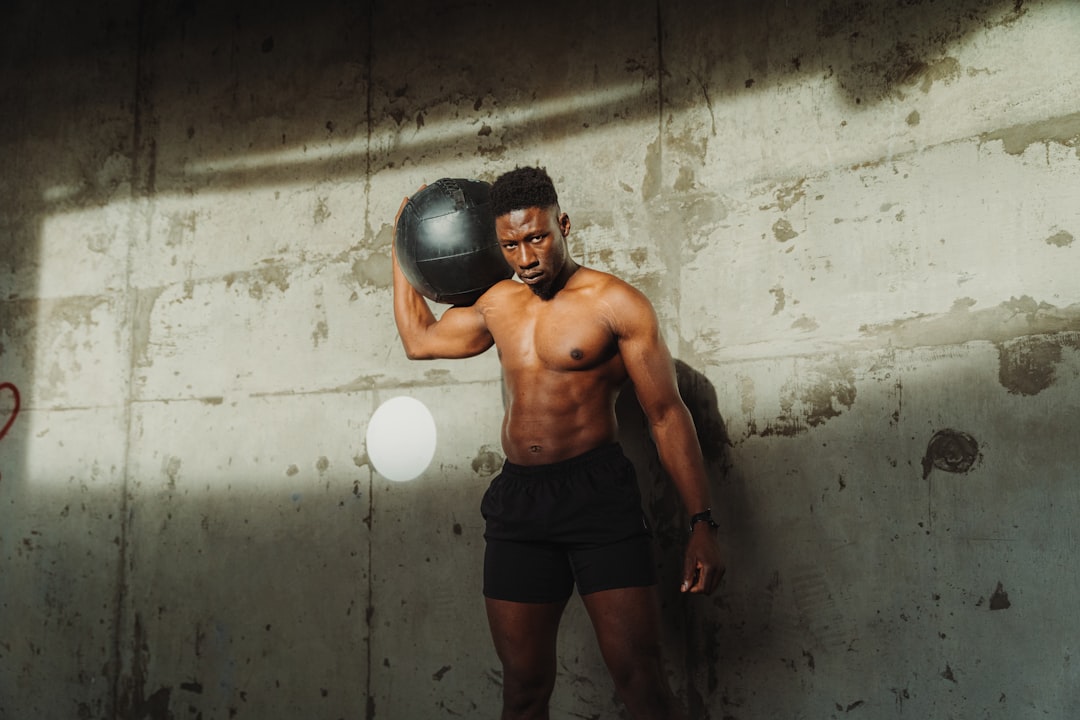
Elite athletes combine science, discipline, and methodical training regimens to reach peak performance. Their fitness routines are meticulously crafted not just to build strength, but to optimize endurance, recovery, and injury prevention. Whether you're an aspiring athlete or a fitness enthusiast looking to elevate your workout programs, understanding these athlete workouts can offer valuable insights. In this definitive guide, we deeply explore the training methods of top athletes and demonstrate how you can apply them safely to maximize your own men’s fitness and health.Friendlier Forums for Fitness helps connect like-minded individuals on similar journeys.
1. The Anatomy of Elite Training Regimens
Holistic Approach: Strength, Endurance, and Flexibility
Elite athlete workouts transcend basic gym training; they are a sophisticated blend targeting strength, endurance, flexibility, and mental fortitude. For example, sprinters focus heavily on explosive power and fast-twitch muscle conditioning, while marathoners prioritize cardiovascular endurance and energy efficiency. Combining these elements creates well-rounded physicality that supports performance, injury resistance, and longevity.
Periodization: Structuring Training Cycles
One key principle used by elite trainers is periodization—dividing training into distinct phases such as hypertrophy, strength, power, and recovery. This scientific approach allows athletes to peak precisely at competition time while avoiding overtraining. More on this can be found in our guide to ethical and effective training data use.
Recovery as a Foundation
Elite programs emphasize recovery with tailored methods like active rest, sleep optimization, and cold water immersion. Recovery strategies are as vital as the training itself for sustained progress and wellness, an insight shared through surviving caregiver burnout by learning from athletes' heat strategies.
2. Strength Training: Powering Performance
Compound Movements and Functional Strength
Athletes prioritize compound lifts like squats, deadlifts, and presses that recruit multiple muscle groups simultaneously, mirroring real-world athletic movements. This functional strength improves performance across sports. Our fitness forums provide excellent peer support for mastering technique and progression.
Olympic Lifting for Explosiveness
Movements like the clean and jerk or snatch develop explosive power crucial in sprinting, basketball, or football. These lifts train fast-twitch fibers and improve neuromuscular coordination. Athletes continually refine technique to maximize output efficiently and safely.
Integrating Strength With Conditioning
Top athletes blend strength work with conditioning drills to maintain muscular stamina. For example, alternating sets of heavy deadlifts with kettlebell swings keeps metabolic systems primed, a method echoed in our energy saving tips that focus on efficiency—maximizing output with minimal waste.
3. Endurance Training: Building Sustained Energy
Interval Training: High-Intensity Meets Recovery
Many athletes use HIIT (High-Intensity Interval Training) to boost aerobic and anaerobic systems simultaneously. Short bursts of near-max effort followed by recovery improve oxygen usage and lactic acid tolerance—critical for sports with varying intensity. Our cricket tips discuss managing physical strain in endurance sports similarly.
Long-Distance Steady-State Work
Endurance athletes complement intervals with steady-state cardio such as long runs or cycling rides to build base aerobic capacity. This ensures a strong cardiovascular foundation necessary for prolonged exertion without premature fatigue.
Cross-Training to Avoid Plateaus
Elite fitness routines often incorporate cycling, swimming, or rowing to mitigate overuse injuries and promote balanced conditioning. Cross-training also aids recovery and prevents mental burnout. Consider our yoga guide for restorative practices that improve flexibility and mental resilience.
4. Sport-Specific Skill Integration
Technical Drills for Precision and Speed
Elite athletes spend hours refining sport-specific skills—footwork, ball control, or stroke technique—integrated strategically with strength and conditioning. These drills hone coordination and muscle memory that purely physical training can’t replicate.
Simulation of Game Scenarios
By replicating competition intensity and situational challenges in training, athletes develop tactical awareness and mental toughness. This principle applies broadly; gym-goers can simulate sport-specific movements or challenges for functional gains.
Use of Technology and Feedback
Wearables and motion capture devices provide athletes with precise biomechanics and performance data to fine-tune techniques and avoid injury, a growing trend we cover in wearable-integrated security tech demonstrating advances in smart technology fusion.
5. Nutrition and Supplementation: Fueling Gains
Macronutrient Balance for Performance
Athletes tailor protein, fat, and carbohydrate ratios to support training intensity and recovery phases. Timely intake of nutrients improves energy availability during workouts and promotes muscle synthesis post-exercise. We recommend reading up on discount strategies to optimize your grocery shopping for healthy nutrition.
Evidence-Backed Supplement Choices
Supplements like creatine, beta-alanine, and branched-chain amino acids (BCAAs) are common in elite circles, boosting strength, endurance, and recovery. Select products from trusted sources only to ensure safety and efficacy, aligning with our ethos at menshealths.shop.
Hydration and Electrolyte Management
Proper hydration protocols tailored to sweat rate and climate conditions enhance performance and reduce risk of cramps or heat illnesses. Electrolyte restoration is critical for prolonged sessions, covered in detail in athletes' heat strategies.
6. Mental Conditioning: Building Focus and Resilience
Visualization and Goal-Setting
Mental rehearsal and progressive goal-setting help athletes maintain motivation and prepare emotionally for competition. These techniques are transferable to anyone aiming to stay consistent or overcome workout plateaus.
Mindfulness and Stress Management
Mindfulness practices reduce performance anxiety and improve recovery by lowering cortisol levels. Check mindful meditation breaks as practical guides for mental refreshment during busy days.
Competitive Drive and Accountability
Tracking progress, seeking social support, and embracing healthy competition push many athletes beyond limits. Joining platforms such as fitness forums and challenges can replicate this dynamic to keep you accountable.
7. Sample Weekly Training Program Inspired by Elite Athletes
| Day | Focus | Key Workouts | Recovery |
|---|---|---|---|
| Monday | Strength & Power | Squats, Deadlifts, Olympic lifts | Foam rolling, stretching |
| Tuesday | Endurance & Conditioning | HIIT sprints, cycling intervals | Hydrotherapy, electrolyte drinks |
| Wednesday | Skill & Agility | Sport-specific drills & footwork | Yoga and mindfulness session |
| Thursday | Strength Endurance | Circuit training with kettlebells & bodyweight | Active recovery walk |
| Friday | Speed & Explosiveness | Olympic lifts, plyometrics | Ice baths and compression therapy |
| Saturday | Long Slow Distance | Steady-state run or swim 60+ min | Massage therapy, sleep focus |
| Sunday | Rest & Recovery | Light yoga, mobility work | Sleep optimization |
Pro Tip: Emulate elite athletes by planning your workouts in phases and incorporating regular recovery strategies to avoid burnout and injuries.
8. Adapting Athlete Workouts to Your Fitness Level
Start With Assessments
Before adopting intense schedules, perform baseline fitness assessments to understand your current capabilities and tailor progression accordingly. This ensures training adaptations without overwhelm.
Progressive Overload Without Injury
Gradually increase training intensity to build resilience safely, focusing on form and recovery. Rushing this process can lead to setbacks, a concept emphasized in recovery insights like those in caregiver burnout prevention.
Customize According to Goals
Whether your aim is hypertrophy, endurance, or fat loss, applying elite training principles with personalized tweaks yields the best results. For example, endurance routines may include more steady-state cardio and less heavy lifting.
9. Tools and Tech for Monitoring and Motivation
Wearable Devices for Data Tracking
Fitness trackers and smartwatches provide real-time heart rate, sleep quality, and performance metrics—valuable for informed adjustments. This tech trend is expanding, as explored in wearable-integrated security technology.
Apps and Online Communities
Mobile apps allow structured programming, logging workouts, and connecting with peers for challenges and support. Platforms like friendlier fitness forums foster motivation through community.
Smart Recovery Gear
Innovations such as compression boots, percussion massagers, and sleep aids are becoming standard in elite preparation—you can find affordable versions to enhance your post-workout recovery.
10. Avoiding Common Pitfalls on the Path to Elite Fitness
Overtraining and Burnout
Ignoring rest phases or pushing beyond limits risks chronic fatigue and injury. Listen to your body and apply periodization principles to balance work with recovery, supported by expert advice on endurance from cricket endurance tips.
Poor Technique and Form
Compromising movement quality usually leads to injuries. Invest time in learning correct form, perhaps by consulting certified trainers or online tutorials from trusted sources.
Ignoring Nutrition and Hydration
Exercise yields results only when paired with proper fueling. Avoid cutting corners on diet and hydration; supplement wisely with guidance from credible product reviews on menshealths.shop.
FAQ: Applying Elite Training Regimens Safely
What’s the best way to start adopting an athlete’s training routine?
Begin by assessing your current fitness level, then gradually incorporate strength, endurance, and skill drills while prioritizing good form and recovery.
How important is recovery compared to training?
Recovery is equally vital; it allows muscles to repair and grow. Neglecting recovery can cause fatigue and injuries, stalling progress.
Can I do Olympic lifts if I’m a beginner?
Olympic lifts require proper coaching due to their technical nature. Start with basic strength training and seek professional guidance before progressing.
Should I use supplements like elite athletes?
Supplements can support performance but should complement, not replace, a balanced diet. Choose evidence-backed products and consult health professionals.
How do I stay motivated on a long-term training plan?
Set progressive goals, track your improvements, and engage with fitness communities or challenges for accountability and motivation.
Related Reading
- Friendlier Forums for Fitness - Engage with communities to sustain motivation and share training tips.
- Surviving Caregiver Burnout - Learn about athletes' recovery strategies to manage stress.
- Wearable-Integrated Security - Explore cutting-edge wearable tech enhancing athletic training.
- Battling Runner’s Itch - Cricket-based endurance advice applicable to other sports.
- Yoga and Emotional Healing - Incorporate mindfulness and flexibility training to support fitness routines.