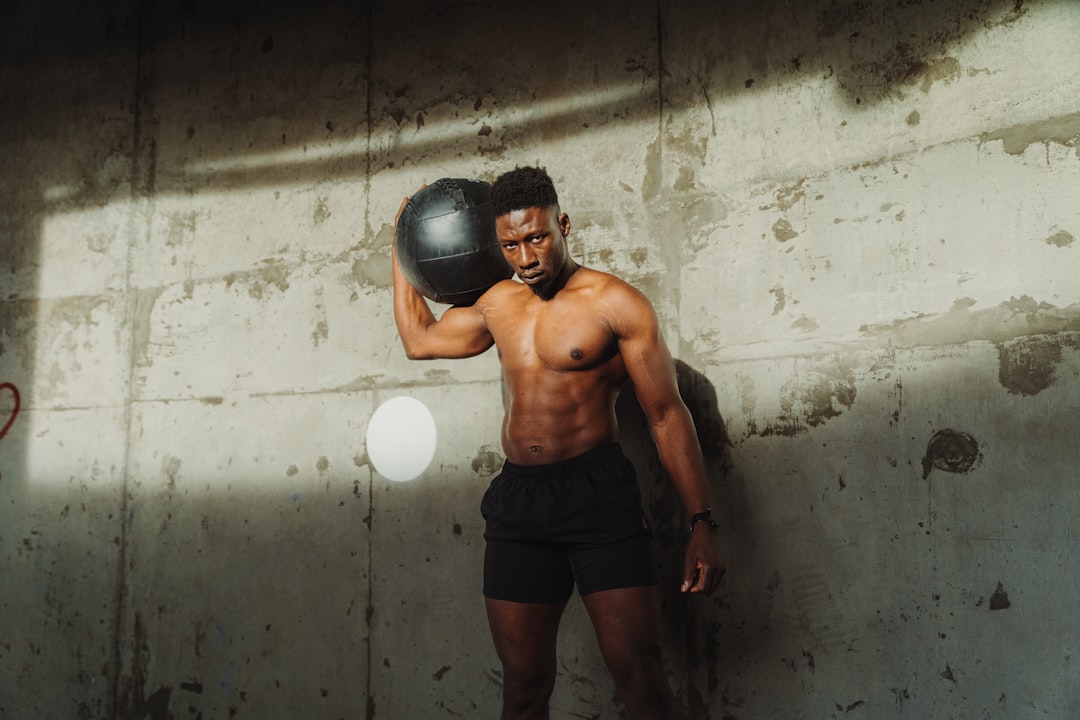
How much water should men drink each day? Use your body weight, activity, climate, meals, and thirst as starting points rather than chasing one universal number. This practical hydration guide includes a repeatable water intake estimate, adjustment table, worked examples, bottle-measurement tips, and warning signs that your plan needs attention.
Overview
Daily fluid needs vary widely among men. A sedentary man working indoors in a mild climate may need much less additional fluid than someone training outdoors, sweating heavily, or eating a high-fiber diet. Drinks and water-rich foods both contribute to total fluid intake, so a water target is best treated as a planning tool—not a rigid medical prescription.
A useful starting point is to estimate 30 to 35 milliliters of fluid per kilogram of body weight per day. This is a practical range for ordinary conditions, not a guarantee of individual need. If you prefer pounds, divide your weight by 2.2 to estimate kilograms, then multiply by 30 to 35.
For example, a 180-pound man weighs about 82 kilograms. Multiplying 82 by 30 to 35 produces a starting range of roughly 2,460 to 2,870 milliliters, or about 2.5 to 2.9 liters of total daily fluid. Some of that may come from coffee, tea, milk, smoothies, soup, fruit, and other foods.
Rather than forcing down a fixed amount, combine the estimate with practical signals: thirst, urine color, sweat loss, workout duration, heat exposure, and how frequently you need to urinate. People with kidney, heart, liver, or endocrine conditions—or anyone taking medication that affects fluid balance—should ask a clinician for an individualized plan.
How to estimate
Use this five-step water intake calculator for men as a repeatable daily worksheet.
- Record body weight. Convert pounds to kilograms by dividing by 2.2. If your weight changes substantially, update the calculation.
- Choose a starting range. Multiply kilograms by 30 and by 35. The two results create a reasonable baseline range in milliliters.
- Account for ordinary activity. Walking, commuting, physical work, and warm indoor conditions may push you toward the higher end of the range.
- Add a workout adjustment. For exercise lasting less than an hour, sip according to thirst and conditions. For longer or sweat-heavy sessions, a practical starting point is approximately 400 to 800 milliliters per hour, taken gradually and adjusted for your sweat rate. Do not treat this range as a target for every workout.
- Review the result against real-world signals. Pale-yellow urine, normal thirst, steady energy, and no headache or unusual fatigue can suggest that your routine is broadly working. Darker urine can reflect concentrated urine, although food, supplements, medication, and illness can also change color.
Spread fluids across the day instead of trying to compensate at night. A simple pattern is one glass with breakfast, lunch, and dinner; a bottle during work; and small drinks before, during, and after training. This approach is easier to maintain than drinking a large volume at once.
Daily fluid reference by body weight
| Body weight | Starting daily range | Approximate volume |
|---|---|---|
| 140 lb / 64 kg | 1,920–2,240 ml | About 2.0–2.2 L |
| 160 lb / 73 kg | 2,190–2,555 ml | About 2.2–2.6 L |
| 180 lb / 82 kg | 2,460–2,870 ml | About 2.5–2.9 L |
| 200 lb / 91 kg | 2,730–3,185 ml | About 2.7–3.2 L |
| 220 lb / 100 kg | 3,000–3,500 ml | About 3.0–3.5 L |
These figures are starting estimates for total daily fluid, not a requirement to drink the entire amount as plain water. Increase attention to hydration in hot, dry, or humid conditions, during long workouts, and when wearing protective clothing or working physically.
Inputs and assumptions
Activity and exercise
Exercise increases fluid loss through sweat, but sweat rates differ considerably. A large man training in a cool gym may lose less fluid than a smaller man working outdoors in heat. For sessions longer than an hour, weigh yourself before and after training when practical, using similar clothing and avoiding a full bottle immediately before the second measurement. A meaningful drop suggests you need a more deliberate recovery plan; rapid weight gain during exercise can indicate excessive drinking.
For long, hot, or highly sweaty sessions, sodium and other electrolytes may matter as well as water. Sports drinks or electrolyte products can be useful in specific situations, but they also add sugar, calories, or concentrated minerals. For ordinary short workouts, a normal meal and water may be sufficient for many people. Compare labels rather than assuming every electrolyte product is appropriate; see the safety-first guide to comparing supplements and labels.
Climate, food, and daily habits
Hot weather, humidity, altitude, fever, vomiting, diarrhea, and heavy sweating can raise fluid needs. Water-rich foods reduce the amount you need to drink, while alcohol can complicate hydration and sleep. Caffeinated drinks still provide fluid, but relying on them alone may make it harder to notice hunger, thirst, or poor sleep.
Your urine is one clue, not a diagnostic test. Consistently very dark urine, unusually infrequent urination, dizziness, confusion, fainting, or inability to keep fluids down deserves prompt medical attention. On the other hand, clear urine all day combined with frequent urination, nausea, headache, confusion, or swelling can be a reason to stop forcing fluids and seek medical advice. Excessive water intake can dangerously dilute blood sodium, especially during prolonged exercise.
Measuring bottles and servings
Choose a bottle size you can track. A 750-milliliter bottle requires about four refills to reach 3 liters; a 1-liter bottle requires three. Marking morning, midday, and evening levels on a reusable bottle can make progress visible without using an app. Count other drinks and water-rich meals approximately, but avoid turning hydration into a source of anxiety.
Worked examples
Example 1: Office-based routine
A 160-pound man weighs about 73 kilograms. His baseline estimate is approximately 2.2 to 2.6 liters of total daily fluid. He works indoors, walks briefly, and completes no workout. He might plan two 1-liter bottles plus fluids from meals, then use thirst and urine color to decide whether he needs more.
Example 2: Strength training after work
A 180-pound man has a baseline range of about 2.5 to 2.9 liters. He lifts for 60 minutes in a temperate gym and notices moderate sweating. Instead of drinking the entire exercise adjustment afterward, he can begin hydrated, sip during the session, and drink with his post-workout meal. If he regularly finishes workouts with a headache or substantial weight loss, he should test a larger but gradual intake and consider electrolytes for sweat-heavy sessions.
Example 3: Outdoor training in heat
A 200-pound man starts with roughly 2.7 to 3.2 liters for the day. He then runs outdoors for 90 minutes in hot weather. His actual requirement may be higher than the baseline. He should plan fluids before, during, and after the run, avoid waiting until severe thirst, and use body-weight changes and symptoms to refine the plan. Confusion, fainting, severe weakness, or worsening nausea requires urgent help rather than more self-directed water.
For training intensity, hydration is only one part of recovery. You can pair this worksheet with the guide to heart rate zones and training intensity and adjust nutrition through a men’s TDEE and macro calculator.
When to recalculate
Revisit your estimate whenever a meaningful input changes: body weight, training volume, job demands, climate, illness, travel, or the length and intensity of outdoor exercise. Recheck it at the start of a hot season and after changing from indoor to outdoor training. A weekly review is enough for most people: note approximate bottles, workout duration, urine color trends, thirst, and any symptoms.
Keep the next adjustment small. Add or remove one bottle segment, change how early you begin drinking, or include fluids with meals rather than making a dramatic change overnight. If you have been told to restrict fluids, have a condition affecting fluid balance, or take diuretics or other relevant medication, use your clinician’s instructions instead of this general calculator.
Action plan: calculate your weight-based range, choose a measurable bottle, divide the baseline across the day, add a cautious exercise adjustment, and review your response for one week. Recalculate when your body, activity, or environment changes—and remember that better hydration means meeting your needs consistently, not drinking as much as possible.