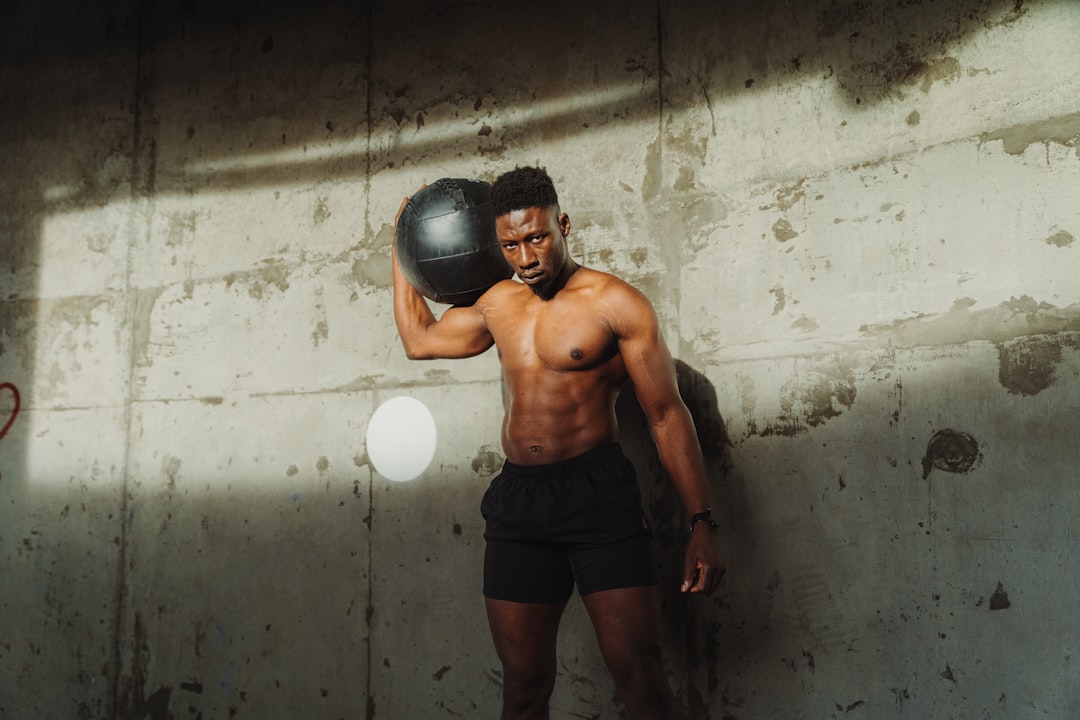
Want to measure body fat at home without expensive equipment? This guide compares practical methods for men, explains how to use each one consistently, and provides a simple monthly tracking template so you can follow trends instead of overreacting to a single reading.
Overview
Body fat percentage is an estimate of how much of your body weight comes from fat rather than lean tissue. It can add context to scale weight, waist size, strength, and progress photos, but no home method gives a perfectly precise result. The most useful approach is usually the one you can repeat under similar conditions.
For many men, a waist measurement combined with body weight and progress photos provides a practical starting point. A smart scale may make tracking easier, while skinfold calipers can be useful when the same person takes measurements consistently. Professional assessments can offer a more controlled evaluation, but they may cost more and are not always convenient to repeat.
Use body fat measurements as a trend tool, not a verdict on health or appearance. Hydration, food intake, exercise, skin temperature, measurement technique, and the device itself can all affect the result. A change over several weeks is generally more informative than a single percentage.
| Method | Typical cost | Convenience | Main limitation |
|---|---|---|---|
| Waist measurement | Low | Very convenient | Does not directly measure body fat percentage |
| Progress photos | Low | Very convenient | Lighting, posture, and angle can change the appearance |
| Skinfold calipers | Low to moderate | Convenient with practice | Results depend heavily on technique and measurement sites |
| Smart scale | Moderate | Convenient | Readings can vary with hydration and other conditions |
| Professional scan or assessment | Varies | Less convenient | Availability, cost, and method differences affect repeatability |
How to estimate body fat at home
1. Start with waist measurement and body weight
Use a flexible tape measure and take the measurement on bare skin or over a thin, consistent layer of clothing. Stand relaxed, breathe normally, and measure at the same anatomical location each time. Do not pull the tape tight or hold your stomach in. Record the measurement to the nearest practical increment.
Take body weight under similar conditions, such as in the morning after using the bathroom and before eating. Daily weight can fluctuate, so compare weekly averages when possible. Waist size and weight moving in the same direction can provide useful context even without a body fat percentage.
2. Use progress photos as a visual check
Take front, side, and back photos once per month. Use the same room, camera position, distance, lighting, clothing, and relaxed posture. Avoid flexing in one set and standing casually in another. Photos do not calculate body fat, but they can reveal changes that the scale misses, particularly when resistance training is part of your routine.
3. Try skinfold calipers carefully
Calipers estimate subcutaneous fat by measuring the thickness of skinfolds at selected sites. The process requires locating the same sites, lifting the fold consistently, and taking several readings. Follow the instructions supplied with the calipers or a reputable measurement protocol. If you cannot reliably find the same sites, treat the result as a rough estimate rather than a precise number.
For better tracking, take two or three readings at each site and record the values only when they are reasonably close. Have the same person perform the measurements whenever possible. Do not compare a caliper estimate from one formula with a smart-scale estimate as though they were interchangeable.
4. Use a smart scale for consistency, not certainty
Many smart scales estimate body composition through bioelectrical impedance. Follow the device instructions and use it under repeatable conditions. Hydration, recent meals, exercise, and contact with the scale can influence the displayed result. The number may be useful for observing a long-term pattern on the same device, but it should not be treated as a direct measurement of fat tissue.
If a smart scale suddenly reports a large change that is not supported by your waist measurement, photos, or body weight trend, check the conditions before changing your diet or workout plan.
5. Consider professional testing when precision matters
Professional assessments may use methods such as air displacement, imaging, or other body-composition techniques. They can be helpful when you need a more controlled baseline, but results still depend on the method, operator, preparation, and interpretation. If you repeat testing, use the same method and follow similar preparation instructions.
Inputs and assumptions
A body fat calculator for men may ask for age, sex, height, weight, waist circumference, neck circumference, or other measurements. These inputs are used in an equation to produce an estimate; they do not directly observe your body composition. Enter measurements carefully and avoid false precision.
- Height: Measure without shoes and use the same unit system throughout.
- Weight: Use a consistent scale and similar time of day.
- Waist: Keep the tape level and use the same measurement location each time.
- Neck or other circumference: Follow the calculator's exact placement instructions.
- Training status: Remember that muscularity, loose skin, and fat distribution can make formula-based estimates less representative for some people.
Do not use an estimated body fat percentage alone to diagnose a health condition or decide that you need an aggressive diet. If you have a history of disordered eating, significant unexplained weight change, or a medical condition affecting weight or fluid balance, discuss tracking with a qualified health professional.
Worked examples
Example A: The low-cost monthly check. A man records his morning body weight, waist measurement, and three standardized photos on the first Saturday of each month. After three months, his average weight is slightly lower and his waist measurement has decreased, while his gym performance is stable. Even without a body fat percentage, this combination suggests useful progress. He can continue the same routine rather than buying new equipment.
Example B: A smart-scale disagreement. A man sees his smart-scale estimate rise after a hard training week, while his weight and waist are unchanged. Instead of interpreting the increase as immediate fat gain, he repeats the reading under his usual morning conditions for the next several weeks. If the scale trend continues but other indicators do not, he gives greater weight to the consistent waist, weight, and photo record.
Example C: Calipers with a consistent operator. A coach measures the same sites twice per month using the same calipers and technique. The individual records the site readings, not just the calculated percentage. If one reading changes sharply but the site measurements do not, the result is checked before it is used to alter calories or training.
When to recalculate and how to track progress
Recalculate or remeasure on a schedule you can maintain. Monthly checks are often frequent enough for general progress tracking and reduce the temptation to react to normal short-term variation. A two- to four-week interval can work when you are actively changing calories or training, provided the conditions remain consistent.
Use this simple template:
- Date and time: Record when the measurement was taken.
- Body weight: Add the reading and, when available, the weekly average.
- Waist circumference: Record the measurement and exact location used.
- Body fat estimate: Name the method and device or calculator.
- Photos: Confirm that the same angle, lighting, clothing, and posture were used.
- Context: Note unusual conditions such as travel, illness, a large meal, dehydration, or a new training schedule.
- Decision: State whether you will maintain, adjust, or continue observing your plan.
Revisit your estimate after a meaningful change in body weight, waist size, training routine, or measurement device. If you change methods, start a new baseline instead of comparing the new result directly with the old one. For broader planning, pair your measurements with a men's TDEE and calorie deficit calculator or review a three-day full-body workout plan. The goal is a repeatable record that supports sensible decisions—not a single number that dictates them.