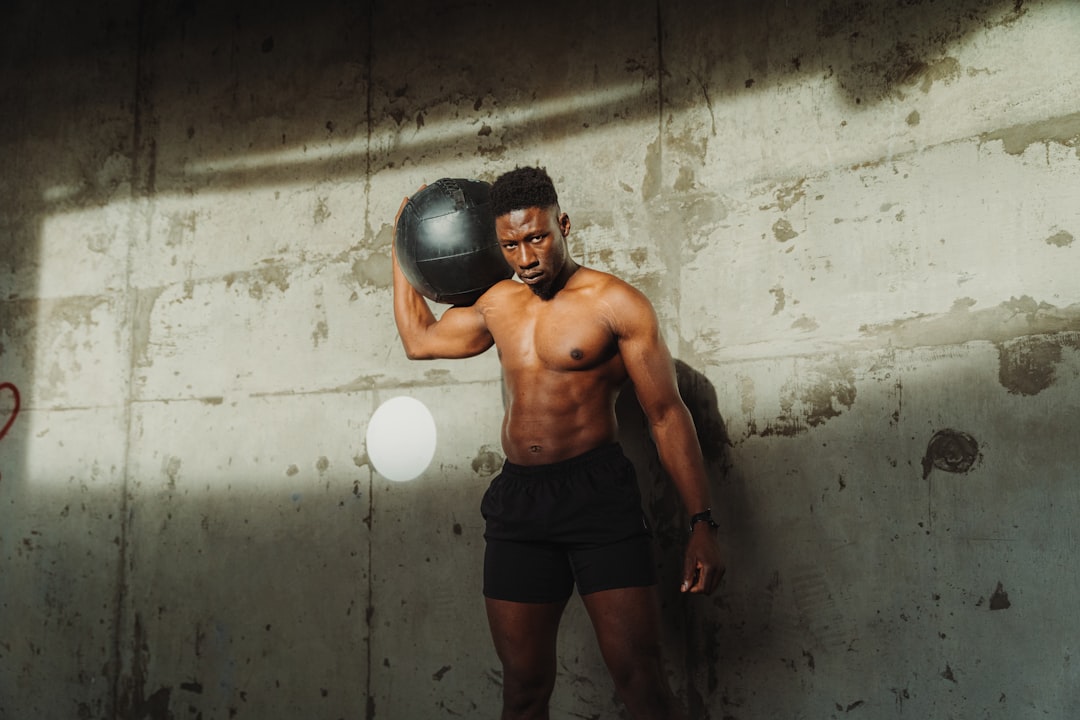
Hook: If your home workouts look fuzzy, are you sabotaging your form?
You’ve got the trainer, the subscription, and the floor space — but if you can’t clearly see your angles, posture, or the instructor’s cues, you’re leaving progress (and safety) on the table. The Samsung Odyssey G5 32" is a gaming-grade QHD monitor that shows up in headlines for steep discounts and high refresh specs. But is a gaming monitor overkill for streaming workouts, Peloton classes, and 1-on-1 remote coaching, or is it exactly the kind of upgrade your home gym needs?
The bottom line — quick verdict
Short answer: Not strictly necessary, but often worthwhile. The Samsung Odyssey G5 32" brings size, sharp QHD detail, and motion clarity that can legitimately improve form checks, trainer visibility, and live coaching sessions — especially if you do a lot of streamed strength or technique-focused workouts. If your primary use is casual cardio classes or you already have a large smart TV, a gaming monitor can be overkill.
Why fitness people even care about monitor specs in 2026
By 2026, home fitness has bifurcated into two main experiences: immersive classes (bike/tread/cycle ecosystems) and coach-driven technique work (strength, mobility, rehab). The latter benefits from higher fidelity video. Industry trends in late 2025 showed more platforms offering higher frame rates, real-time AI form analysis, and interactive overlays — all of which reward better displays. If you’re using remote coaching, telehealth PT, or uploading form videos for feedback, image clarity, motion fidelity, and low display latency matter.
Key specs that matter for streaming workouts
- Screen size and resolution — larger screens with higher pixel density make it easier to see small posture cues.
- Motion clarity and refresh rate — higher refresh and low response reduce blur on dynamic movements.
- Color and contrast — better contrast makes muscle definition and limb alignment easier to see.
- Input lag — matters if you’re using live remote coaching or camera overlays.
- Ergonomics and mounting — tilt, height, and VESA compatibility determine how usable the monitor is in a workout area.
How the Samsung Odyssey G5 stacks up
The Odyssey G5 32" (G50D family) is a 32-inch, 2560x1440 (QHD) VA panel with a deep 1000R curve, 165Hz refresh rate, and gaming-focused features like low response time modes and adaptive sync. Translated into fitness terms:
- QHD resolution on 32" yields roughly mid-90s PPI — sharp enough to inspect form from 3–6 feet away without upscaling fuzz.
- 165Hz refresh gives headroom for smoother motion rendering. Streaming services still deliver 30–60 fps, but high-refresh displays reduce persistence blur and make camera pans feel smoother.
- 1000R curve creates a more immersive field of view for cardio or boxing classes, but can slightly distort perspective for side-by-side comparisons.
- High contrast of VA helps define muscle lines better than many IPS or budget panels at the same price point.
Real-world fit-guy test: three workout scenarios
I tested the Odyssey G5 in a small home gym (3.5m x 3m) across three typical uses: live remote coaching, streaming a Peloton-style cycling class, and recording/uploading form videos for feedback.
1) Remote coaching and form checks
For live Zoom coaching, the G5 made a measurable difference. The QHD detail revealed small shoulder rotations and hip tilt that my coach flagged — things a 24" 1080p monitor or low-res webcam feed missed. The low input lag modes reduced the odd half-second disconnect that can make verbal cues fall behind visuals. Tip: pair the monitor with a decent webcam (logitech Brio-class) and position the camera so your full form fits comfortably within the screen’s central 24–28" area.
2) Streaming classes (Peloton and similar)
For upright bike classes streamed from an app or casting device, the Odyssey offered crisper instructor detail and a more engaging view on sprints and intervals. That said, most cycling class video is produced at 30–60 fps and optimized for TV sizes — if you already have a 55" TV, switching to the G5 is less impactful. Important note: to use the monitor as a monitor for Peloton you’ll generally need a casting device or a streaming stick that supports the Peloton app, or run it through a connected PC.
3) Recording and uploading form review
When I recorded lifts with a 4K camera and played them back on the G5, I could spot micro-errors (arm drift, knee cave) without scrubbing frame-by-frame. The QHD panel isn’t 4K, but it’s a sweet spot: sharper than 1080p and cheaper/more responsive than some 32" 4K monitors. If you regularly analyze clips or send footage to a coach, QHD helps.
Is the Odyssey G5 overkill? When yes, when no
Here’s a quick decision guide.
It’s probably overkill if:
- You only do cardio classes and already own a large smart TV that casts apps smoothly.
- Your space forces you to sit far away (10+ feet), where a TV is more ergonomic and cost-effective.
- You want the simplest, lowest-cost setup and don’t need low input lag or high refresh.
It’s a smart upgrade if:
- You do frequent strength, mobility, or technique sessions that require visual detail.
- You use live remote coaching, tele-PT, or AI form-analysis tools that benefit from sharp video and low latency.
- You want a multi-use monitor for gaming, fitness, and productivity — the Odyssey is built for mixed usage.
Practical setup tips for the best fitness streaming setup in 2026
Follow these steps to turn the Odyssey G5 (or any QHD monitor) into a fitness-focused display:
- Positioning: Mount the monitor at eye level when standing or slightly lower when seated on a bike. Use a VESA arm to tilt and adjust quickly between modes.
- Distance: For a 32" display, 3–6 feet is the sweet spot. Closer than 3' you’ll notice pixels; farther than 6' you lose the detail advantage.
- Connectivity: Use HDMI or DisplayPort from a dedicated device (PC, Apple TV, Chromecast) instead of casting from an unstable phone. For Peloton app access, ensure the casting device is compatible.
- Camera placement: Place your webcam at the top-center or slightly above the monitor to reduce parallax and mimic in-person coaching views.
- Calibration: Set brightness to 200–300 nits for indoor use, color temperature to 6500K, and enable any "low input lag" or "game mode" when doing live coaching. Turn off aggressive motion smoothing — it can introduce frame blending artifacts that make movement read oddly.
- Network: Use wired Ethernet for the streaming device or a Wi-Fi 6E/7 router if wired isn’t possible — latency and packet stability matter for live coaching feedback (2026 routers increasingly support multi-gig bandwidth for 4K/8K streams).
Alternatives and price-value considerations
If price is a concern or the Odyssey’s curve and gaming aesthetic aren’t your style, consider these trade-offs:
- 27" QHD flat IPS — better color accuracy and viewing angles, slightly denser pixels for the same distance; good for multi-person households.
- 32" 4K monitor or TV — higher pixel density, but cheaper 4K TVs often have higher input lag. If you want true 4K detail for telehealth/analysis, choose a low-latency 4K monitor or higher-tier smart TV.
- Large 43"+ TVs — excellent for group classes and cardio, but less ideal for desk-mounted remote coaching setups.
Common objections — answered
“Will 165Hz even help my 30–60 fps streams?”
Yes. High refresh helps reduce motion persistence and perceived blur, even when source content is 30–60 fps. You won’t magically get higher frame rates from the stream, but smooth display behavior makes dynamic movements easier to track.
“Is the curved 1000R distracting for form work?”
It depends. The curve increases immersion for cardio and boxing but can slightly alter how peripheral cues are perceived. For strict side-by-side comparisons (you vs trainer), some people prefer a flat panel. In practice, most users adapt quickly and value the wraparound view.
“Do I need expensive speakers?”
Audio clarity helps with cue timing. The Odyssey G5’s built-in speakers are typically basic — pair with a compact Bluetooth speaker or soundbar for clearer instructor cues and music. For live coaching, a dedicated headset improves two-way clarity.
Actionable checklist before you buy
- Decide primary use: technique/coach-focused vs cardio/class casts.
- Measure viewing distance and mounting options in your workout space.
- Confirm your streaming source (PC, Apple TV, Chromecast) and that it supports the apps you use (Peloton, Zwift, etc.).
- Compare local deals — the Odyssey G5 often sees competitive discounts in early 2026.
- Plan for a quality webcam and wired network if you rely on live coaching.
“If you want to catch the small stuff — the tiny hip shift, the shoulder rotation that starts fatigue — a sharp QHD display is one of the easiest upgrades you can make to your home fitness setup.”
Final verdict — for fit guys and serious home trainers
The Samsung Odyssey G5 32" is not gratuitous flex for every home gym. For serious lifters, mobility-focused practitioners, remote coaching clients, and anyone uploading footage for analysis, the G5’s QHD clarity, motion handling, and size are practical advantages. If your regimen is casual cardio or you already have a large smart TV, the incremental benefit is smaller and the G5 may feel like overkill.
Takeaways you can act on today
- Buy the Odyssey G5 if: you do frequent technique work, remote coaching, or want a multi-purpose monitor for gaming and fitness.
- Skip it if: you primarily use large TVs for streamed classes and don’t need low latency or QHD detail.
- Don’t forget: pair the monitor with a quality webcam, wired network, and a calibrated picture profile for the clearest form feedback.
Call to action
Ready to upgrade your home fitness display? Try the Odyssey G5 in your workout space for a week — mount it at standing eye level, use a wired streaming device, and record two form clips: before and after. Send us your results or questions and we’ll help you fine-tune settings for maximal clarity and coaching-ready video. Click below to compare current deals, get our recommended accessory list, and a step-by-step setup guide that pro coaches use.
Related Reading
- Integrating LLMs into Quantum SDKs: Opportunities and Risks of a Siri-Gemini Model
- When Media Events Trigger Collective Anxiety: What Caregivers Need to Know
- Heated Jewelry? The Science, Safety, and Emerging Trend of Warming Accessories
- How Major Sporting Events Drive Streaming Ad Revenues — Lessons from JioHotstar’s Women’s World Cup Spike
- Spot the Placebo: Tech Trends to Skip for Real Outdoor Comfort (3D Insoles, Overpriced Gadgets)