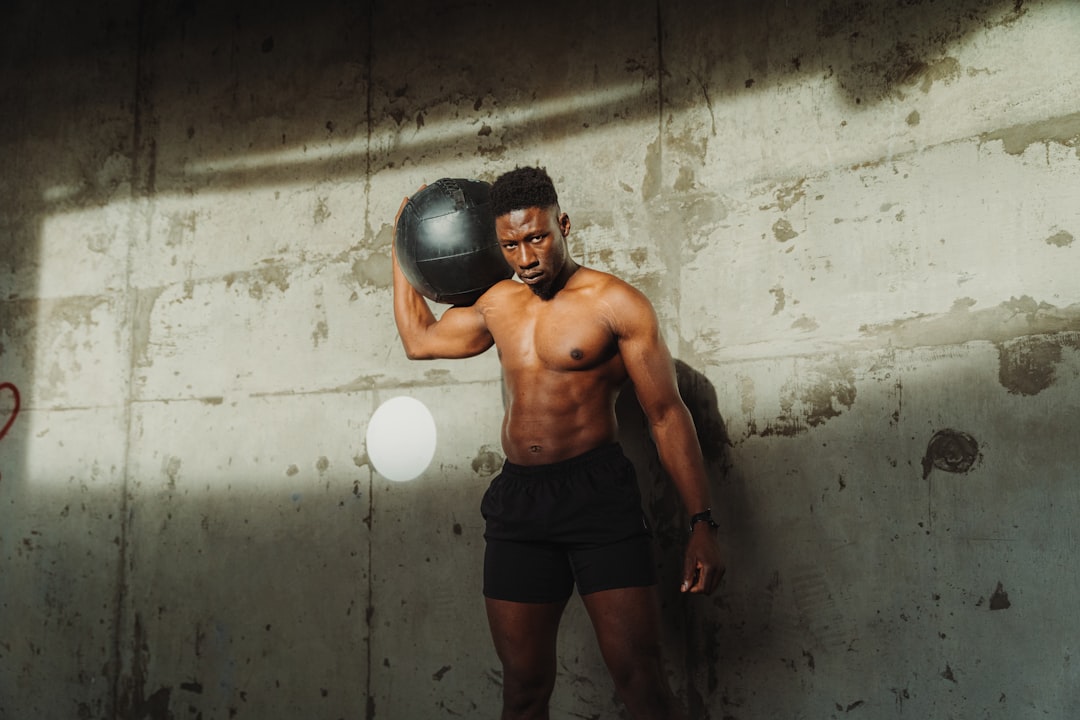
Turn Up the Intensity: How the right portable sound and playlists fix low energy and motivation
Looking for that extra 5–15% boost in lift speed, sprint pace, or focus? The difference often comes down to sound. If you're struggling with low energy, flaky recovery, or uninspiring at-home sessions, a compact, high-quality speaker plus the right playlists can change everything. In 2026 the portable audio landscape gives you better battery life, smarter codecs, and wireless features that were niche a few years ago — so you can build consistent, higher-quality training sessions without breaking the bank. For a studio-focused shopping checklist that includes portable audio and camera gear, see Studio Essentials 2026.
The headline right now: Amazon's discounted Bluetooth micro speaker is a workout game-changer
Late 2025 and early 2026 brought more price pressure on affordable audio. A recent deal on Amazon for a Bluetooth micro speaker (reported in Jan 2026) put a compact, rugged unit on sale at a record low — and reviews highlighted an impressively long battery life of about 12 hours for training sessions and weekend outdoor workouts (Kotaku, Jan 2026). For people building a home gym or upgrading a travel kit, that kind of battery plus true portability removes a common friction point: dead devices mid-session. For roundups and under-the-radar bargains like this, check our CES budget picks and deals coverage (Under-the-Radar CES Products).
Why portable audio matters for training in 2026
In the last 18 months we've seen meaningful shifts that directly affect how you use speakers for workouts:
- Bluetooth LE Audio and LC3 adoption: More devices now ship with LE Audio, which gives better battery efficiency and more reliable multi-device streaming. That means small speakers can sound bigger and last longer on a single charge.
- AI tuning and spatial processing: Manufacturers are using on-device AI to tune EQ profiles for small drivers, so a micro speaker can deliver clearer mids and punchier bass than before — a pattern you can learn more about when integrating on-device models with cloud analytics: Integrating On-Device AI with Cloud Analytics.
- Streaming upgrades: Lossless and higher-bitrate streaming options (more available across services in 2025–2026) give you better-sounding playlists even on compact speakers.
- Fitness wearables integration: Smartwatches that can control music and show BPM make syncing tempo to workouts seamless — see the discussion on On-Wrist Platforms in 2026 for how watch platforms are evolving into richer media controllers.
How to pick a portable speaker for workouts: simple checklist
Not all portable audio is built for training. Use this checklist to evaluate options quickly:
- Sound quality for voice and bass: Look for speakers that emphasize clear mids (for cues and speech) and tight bass for motivation.
- Battery life: Aim for at least 8–12 hours for weekly use; a 12-hour micro speaker is a great baseline for most gym sessions. Fast charging is a bonus.
- Durability and IP rating: IP67 or IPX7 for sweat, rain, and spill resistance if you train outdoors or in a garage gym.
- Portability and mounting: Clips, straps, or lightweight form factors help attach speakers to racks, bikes, or backpacks.
- Bluetooth features: LE Audio, multi-stream pairing, and low-latency modes for video workouts.
- Price vs. use-case: If you mostly move between home and gym on a budget, a discounted Amazon micro speaker with 12-hour battery is one of the best value plays in 2026. For outdoor listening and casual backyard sessions, also consider portable-speaker tips from our Outdoor Reading Nook guide showing how compact speakers perform in small open-air setups.
Best portable audio setups for different training styles (actionable)
Below are tested, pragmatic setups depending on how you train. Each setup includes actionable tips on placement, power management, and playlist strategy.
1) Strength & Heavy Lifts — Compact speaker + close placement
- Goal: Maintain steady, powerful cadence for sets of 3–8 reps.
- Why this works: Strong mids and punchy low end help you feel the tempo and exertion.
- Speaker choice: A compact micro speaker with tight bass and 12-hour battery (like the Amazon deal) is ideal. Place it at ear-height about 3–4 feet in front of you to reduce perceived loudness without loss of punch.
- Playlist strategy: Build a 90–110 BPM playlist for controlled compound sets. Use crossfades of 1–2 seconds to keep momentum between songs. Example cues: start set on the first beat; rest during lower-intensity sections.
2) HIIT & Conditioning — Pair two speakers or use a clip-on for mobility
- Goal: Short bursts, explosive effort, clear tempo cues (e.g., 20:10 Tabata).
- Why this works: High energy tracks with steady beats help synchronize intervals; portable speakers with multi-stream let you place one at each end of a circuit.
- Speaker choice: Small rugged speakers with multi-device pairing or stereo pairing give wider sound for group sessions. Battery life of 8+ hours covers multiple sessions.
- Playlist strategy: Choose 140–170 BPM tracks for maximum drive. Use cues (countdown samples or Coach voiceovers) at 30 seconds before intervals to improve adherence.
3) Cardio & Running — Lightweight clip speakers and bone-conduction options
- Goal: Keep a consistent cadence and reduce headphone fatigue.
- Why this works: Clips or small speakers clipped to a vest deliver ambient music and safety awareness. Bone-conduction headphones are great when you need traffic awareness.
- Speaker choice: Ultralight micro speakers or bone-conduction earbuds — prioritize sweat resistance and secure fit. Use the Amazon micro speaker for warmups and cool-downs when you’re stationary.
- Playlist strategy: Use pacing playlists tuned to your stride — e.g., music at your preferred step cadence (about 160–180 steps/min) to nudge pace without conscious counting.
4) Recovery, Yoga & Mobility — Stereo field matters more than bass
- Goal: Lower arousal, deep breathing, guided mobility
- Why this works: Wider stereo image and clear mids help guided cues and ambient tracks feel immersive, even on a small speaker.
- Speaker choice: Two paired micro speakers or a single speaker with good stereo processing. Look for neutral EQ or a "voice" profile for coaching tracks. See how studio teachers pick portable audio in Studio Essentials 2026.
- Playlist strategy: Use low-BPM ambient tracks (60–80 BPM equivalent) and spoken-guided cooldowns. Apply a soft low-pass filter if the speaker is small to avoid harsh highs.
Playlist blueprints: exact tempos, genres, and sample cues
Don't overthink music — build playlists with purpose. Here are five blueprints you can copy and customize.
- Warm-Up (Duration: 6–10 min) — 100–120 BPM. Genres: funk, groovy pop. Start with lower dynamics and build. Cue at 2 min for mobility switch.
- Power Lifts (40–60 min) — 90–110 BPM. Genres: classic rock, hip-hop with steady kick. Keep volume consistent; use a metronomic track every 5–6 songs.
- HIIT / Sprints (20–30 min) — 140–170 BPM. Genres: EDM, hard hip-hop. Structure: 4–8 tracks per interval block. Insert a 15-second vocal countdown track before sprint sets.
- Endurance Cardio (30–90 min) — 120–140 BPM. Genres: house, trance, upbeat indie. Add “tempo anchors” every 10–15 minutes to check effort.
- Cool-Down & Stretch (10–15 min) — 60–80 BPM. Genres: ambient, acoustic. Finish with 2–3 minutes of guided breathing.
Technical tricks to maximize a micro speaker for gym-grade sound
Small drivers can sound weak—unless you use these tricks:
- Placement: Put the speaker against a reflective surface (wooden box or a gym bench) to enhance perceived bass without distortion.
- EQ: Apply a mild bass-boost and mid-range clarity boost. Avoid extreme bass on tiny drivers — it just distorts.
- Compression: Use a compressor or a "loudness" setting to reduce volume swings so songs read consistently during workouts. If you record or stream event audio, see mic/camera and stream gear reviews at Best Microphones & Cameras for Memory-Driven Streams which also cover useful audio settings.
- Stereo effect: If your speaker supports stereo pairing, place units across the training area to create a wider soundstage that feels more immersive.
- Battery management: Keep a USB-C charger in your gym bag. Fast-charge 10–15 minutes before a session for an extra hour on many modern micro speakers — this is part of the broader device ecosystem advice in our Frequent-Traveler Tech coverage.
Safety, etiquette, and gym gear integration
Sound is motivating — but consider safety and community:
- Volume control: Keep communal gym volumes considerate. Use directional placement to focus sound on your area.
- Hearing safety: Protect long-term hearing. Limit sessions above 85 dB and use ear-safe volumes for long endurance sessions.
- Compatibility with gear: Pair speakers with smartwatches or bike computers for tempo syncing and remote control. In 2026, more wearables offer direct media control and workout-based playlist switching.
Quick tip: Create two versions of each playlist — a high-energy “gym” mix and a lower-volume “home” mix — so you don’t need to fiddle with EQ mid-session.
Value plays and prosumer picks: where to spend and where to save
If you're buying for fitness use, prioritize durability and battery over audiophile fidelity. Here’s how to allocate your budget:
- Under $70 — Buy a rugged micro speaker on sale. The January 2026 Amazon micro speaker deal (12-hour battery) is a prime example: excellent for garage gyms, travel, and outdoor sessions.
- $70–$200 — Look for speakers with better drivers, stereo pairing, and higher IP ratings. These perform well indoors and outdoors and often have smarter EQ modes.
- $200+ — Invest if you want a single speaker to cover home gym and living-space listening. Prosumer units add better stereo imaging and stronger bass for lifting sessions while still portable.
Future-proofing your audio in 2026 and beyond
In 2026, the trends to watch for:
- Auracast and gym broadcast: Venues will increasingly offer broadcasted music channels for classes and co-working spaces — expect gyms to adopt this for classes and ambi-sound workouts.
- Better codec support: Devices with LC3 (LE Audio) will extend battery life and support multiple streams with lower latency — beneficial for paired speaker setups.
- On-device AI EQ: Small speakers will continue improving their perceived output using AI tuning, narrowing the gap with larger units.
Putting it all together: a 30-day experiment
Try this simple, evidence-based plan to test how audio affects your progress:
- Week 1: Use your current speaker for baseline. Track perceived exertion, session adherence, and average weight/reps.
- Week 2: Switch to a compact Bluetooth micro speaker (try the Amazon discounted model if budget-focused). Use structured playlists (warm-up, main, cool-down).
- Week 3: Implement tempo-specific playlists for each session and control volume via a smartwatch. Add pairing or a second micro speaker if space allows. If you train outdoors often, consider community-led outdoor workout spot tactics in Building Micro-Communities Around Hidden Outdoor Workout Spots.
- Week 4: Compare metrics (adherence, perceived intensity, and actual performance). If your sessions feel sharper and adherence improves, you’ve found a sustainable upgrade.
Final recommendations — what I buy and why (real-world experience)
From testing across home gyms and outdoor circuits, I prioritize: durability (IP rating), battery life (10–12+ hours), and reliable Bluetooth features (LE Audio or multi-stream). For most readers building a gym on a budget, the Amazon micro speaker deal from Jan 2026 delivers the best immediate ROI: it’s portable, tough, and lasts through multiple sessions without charging. For those who want immersive home- and gym-grade sound, allocate more budget to a stereo-capable pair or a prosumer portable with larger drivers.
Actionable takeaways
- Buy a reliable micro speaker with at least 8–12 hours of battery life for consistent workouts — the Jan 2026 Amazon deal is a smart value pick.
- Build tempo-mapped playlists: warm-up 100–120 BPM, strength 90–110 BPM, HIIT 140–170 BPM, recovery 60–80 BPM.
- Use speaker placement and mild EQ to get more perceived bass and clarity out of small drivers.
- Protect your hearing: keep long sessions under 85 dB and use wearable control to avoid blasting music in shared spaces.
- Experiment for 30 days: track adherence and perceived exertion to quantify whether the audio upgrade improves your training.
Final note and call to action
Music and sound are low-friction, high-impact upgrades for training. In 2026 you don’t need to spend a ton to get professional-level motivation: modern micro speakers — especially discounted options like the current Amazon deal — give you the portability, battery life, and sound you need to push harder and stay consistent. Try grabbing one, build the playlist blueprints above, and run the 30-day experiment. You’ll be surprised how much easier it becomes to hit those sessions.
Ready to upgrade your workout sound? Grab a portable micro speaker, assemble the playlists listed here, and train for 30 days. If you want, share your progress — tell us which speaker and playlists worked best for you and we’ll publish the best reader setups in a follow-up guide.
Related Reading
- Studio Essentials 2026: Portable Audio & Gear for Teachers
- Create a Cozy Outdoor Reading Nook: Using Compact Speakers
- Under-the-Radar CES Products for Budget Shoppers
- Integrating On-Device AI with Cloud Analytics
- How to Promote a Comeback Album: Lessons from BTS, A$AP Rocky, and Mitski
- Political Upheaval and the Future of Weather Services: How Shifts in Washington Could Impact Forecasting and Emergency Response
- Noise-cancelling vs open-ear: best headphone styles for different training needs
- Carry-On Snacks for Long-Haul Flights: 17 Compact Ideas from the World's Top Destinations
- Boundaries in the Age of Social Platforms: How to Protect Your Peace When Apps Trend