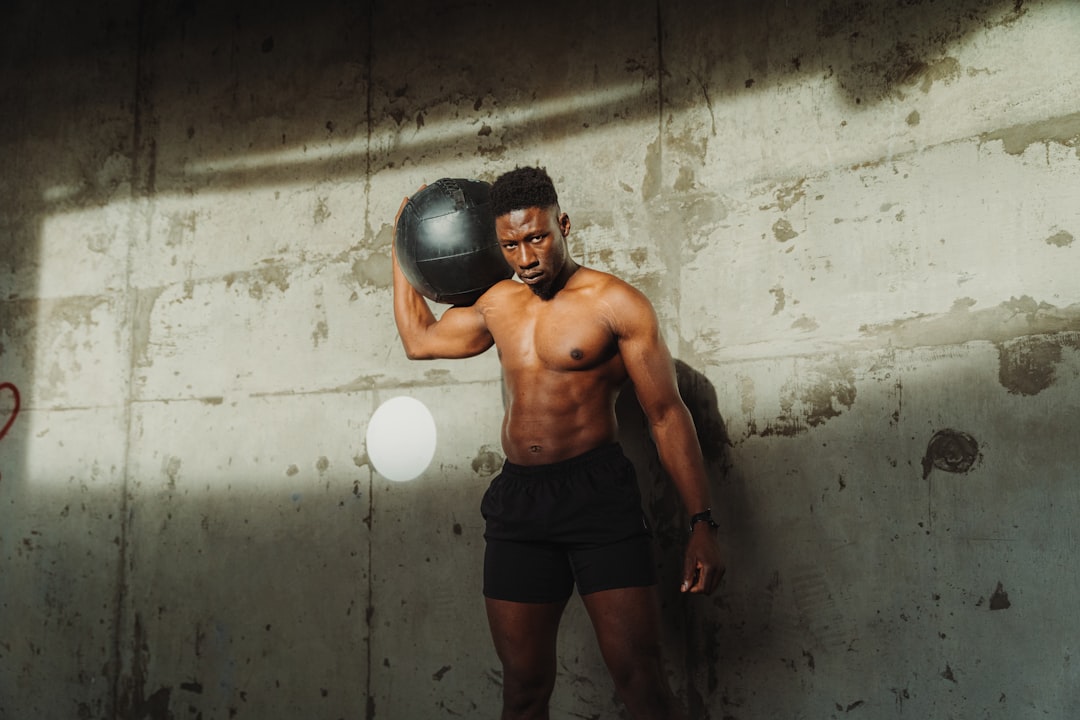
Working out in sweltering heat is a challenge that tests even the most seasoned athletes. For men engaging in outdoor fitness routines or grueling training sessions, managing heat stress is crucial for maintaining performance, safety, and overall men's health. Inspired by real-world examples from athletes who have thrived in extreme conditions, this definitive guide dives into the science of heat stress, hydration protocols, cooling strategies, and practical workout tips to help you train smarter and safer when the mercury rises.
Understanding Heat Stress and Its Impact on Exercise
What is Heat Stress?
Heat stress occurs when your body’s heat load exceeds its ability to dissipate heat, leading to a rise in core temperature. This imbalance can cause symptoms ranging from mild discomfort to life-threatening conditions like heat exhaustion or heat stroke. During intense exercise, especially outdoors, the combination of metabolic heat production and environmental heat can quickly push the body's thermoregulatory system to its limits.
Physiological Effects on Men During Heat Stress
Men may experience unique responses to heat stress due to differences in muscle mass, sweat rate, and hormonal profiles. Elevated core temperatures reduce blood flow to muscles, impairing performance and increasing fatigue. Heat stress also affects hormone regulation, potentially disrupting testosterone balance, which is critical for maintaining muscle and stamina. Understanding these effects can tailor training strategies for maximal safety and effectiveness.
Recognizing Warning Signs
Early warning signs of heat stress include excessive sweating, dizziness, headache, nausea, muscle cramps, and rapid heartbeat. Delayed recognition can lead to more severe conditions requiring urgent care. Familiarize yourself with these symptoms and learn to heed your body's signals. For comprehensive insights on exercise safety, explore our exercise safety guide.
Hydration: The Cornerstone of Heat Stress Management
How Hydration Affects Thermoregulation
Hydration supports sweat production, which is the body's primary cooling mechanism. Dehydration reduces blood volume, hampering sweat rates and cardiovascular efficiency, accelerating heat stress. Maintaining optimal hydration before, during, and after workouts ensures your body can cool effectively.
Practical Hydration Strategies
Start hydrating the day before outdoor activities, aiming for water intake that matches your sweat losses. During exercise, consume 150-350 ml (5–12 ounces) of fluids every 15-20 minutes. Sports drinks with electrolytes can replenish sodium and potassium lost through sweat, supporting muscle function and reducing cramping risk. For detailed supplement advice, see our safe supplements guide.
Advanced Hydration Monitoring
Using hydration tracking apps or wearable affordable fitness trackers that monitor sweat rate and biofeedback can help optimize your fluid strategy tailored to ambient conditions and exercise intensity.
Cooling Strategies: From Passive to Active Techniques
Pre-Cooling Approaches
Pre-cooling can lower your body's starting core temperature, improving heat tolerance. Techniques include cold water immersion, ice vest use, or consuming cold fluids before workouts. Athletes preparing for heat-intensive events often leverage these strategies for performance gains.
During-Exercise Cooling
Incorporate mist sprays, cooling towels, or shaded rest breaks during your sessions. Wearing moisture-wicking and light-colored clothing facilitates evaporative cooling. Our article on cotton comfort and lightweight fabrics discusses clothing selection for thermal regulation.
Post-Workout Cooling and Recovery
After training, engage in cold showers or ice baths to accelerate recovery and reduce inflammation exacerbated by heat stress. Pair cooling protocols with proper recovery nutrition outlined in our recovery nutrition piece to optimize muscle repair and vitality.
Timing and Environmental Awareness for Safer Outdoor Workouts
Optimal Workout Scheduling
Plan outdoor fitness sessions during early mornings or late evenings when temperatures and solar radiation are lowest. Avoid peak heat hours (10 AM–4 PM). This timing reduces heat exposure and maximizes performance.
Environmental Condition Monitoring
Check local heat index, humidity, and UV levels before heading out. Apps and meteorological tools can help forecast risks. When air quality deteriorates, consider switching to indoor training to protect respiratory health, as detailed in our exercise safety guidelines.
Adjusting Intensity and Duration
Heat increases cardiovascular strain; thus, lowering intensity or shortening workout duration reduces heat accumulation and risk of heat-related illness. Employ interval training to balance exertion and recovery.
Key Workout Tips Inspired by Athletes in Extreme Heat
Case Study: Marathon Runners in Desert Conditions
Elite marathoners competing in hot environments utilize tailored hydration and cooling accessories like neck coolers and electrolyte gels. Strategic pacing and early heat acclimatization training are critical for adaptation. Our training advice article expands on acclimatization protocols.
Heat Acclimatization Techniques for Daily Trainers
Gradually exposing yourself to heat over 10–14 days improves sweat efficiency and cardiovascular stability. Start with shorter, less intense sessions, increasing duration and intensity gradually. This practice reduces perceived exertion and heat strain during workouts.
Nutrition's Role in Heat Tolerance
Maintain a diet rich in antioxidants, vitamins (notably B-complex and C), and minerals that support adrenal and hormonal balance. Proper nutrition enhances overall energy resilience, a concept explored in our energy resilience guide.
Clothing and Gear Choices for Heat Stress Management
Technical Fabrics and Breathability
Opt for fabrics that wick moisture and allow ventilation. Synthetic blends or merino wool can outperform cotton in heat by promoting evaporation. Our review on cotton comfort vs technical fabrics offers deeper insight.
Sun Protection Essentials
Use breathable hats, sunglasses, and broad-spectrum sunscreen to protect skin from UV damage and reduce heat load. For men's grooming and skin care in the sun, check our expert tips in skincare for men.
Smart Accessories
Wearables like fitness trackers with heart rate and temperature sensors can alert you when to slow down or hydrate. Additionally, portable cooling devices such as battery-operated fans or misting bottles add comfort and safety.
Hydration, Electrolytes, and Supplementation for Heat
Electrolyte Balance during Sweating
Electrolytes such as sodium, potassium, magnesium, and calcium are lost in sweat. Replacing them prevents cramps, fatigue, and supports muscle function. Our safe supplements guide highlights electrolyte products formulated for active men.
Supplements That Support Heat Adaptation
Compounds like beetroot extract, nitric oxide boosters, and adaptogens may improve blood flow and stress resistance. Evidence supporting these supplements is discussed in our performance enhancers article.
Avoiding Common Pitfalls
Avoid excessive caffeine or alcohol consumption before heat exposure as they promote dehydration. Also, refrain from high sodium diets that might strain cardiovascular health under heat stress.
The Science of Heat Stress: What Research Says
Core Temperature Thresholds and Performance
Research shows that once core temperature exceeds approximately 39°C (102.2°F), endurance and cognitive function decline sharply. Managing heat load is thus vital to preserve not only physical output but also decision making during workouts.
Heat Shock Proteins and Adaptation
Heat stress induces the production of heat shock proteins that protect cells from damage. Repeated heat exposure through acclimatization can enhance these protective mechanisms, extending exercise tolerance.
Long-Term Benefits of Controlled Heat Exposure
Studies newer to the field explore using heat to boost mitochondrial function and cardiovascular efficiency, suggesting that, when managed correctly, heat training can improve fitness outcomes over time.
Heat Stress Incident Response: What to Do When Things Go Wrong
Immediate Actions for Heat Exhaustion
If you or a workout partner experience heavy sweating, weakness, cold clammy skin, or fainting, stop exercising immediately. Move to shade, elevate feet, and sip cool water slowly. Use cooling towels to help lower body temperature.
Recognizing Heat Stroke and Emergency Steps
Confusion, hot dry skin, rapid pulse, or unconsciousness indicates heat stroke — a medical emergency. Call emergency services and begin cooling with ice packs or cold water immersion while awaiting professional help.
Prevention Through Education
Educate yourself and your fitness community on recognizing symptoms and having heat illness action plans. Our exercise safety guide offers comprehensive emergency protocols.
Comparing Cooling Methods: Effectiveness and Practicality
| Cooling Method | Effectiveness | Practicality | Best Use Case | Limitations |
|---|---|---|---|---|
| Cold Water Immersion | High - Rapid Core Temp Reduction | Moderate - Requires Facilities | Post-workout, Severe Heat Stress | Not Portable |
| Ice Vests | Moderate - Pre-cooling Benefits | Good - Wearable | Pre & During Exercise | Limited Duration |
| Misting Fans | Moderate - Evaporative Cooling | High - Portable | During Outdoor Workouts | Depends on Humidity |
| Cooling Towels | Low to Moderate | High - Easy to Carry | During Rest Breaks | Limited Cooling Capacity |
| Cold Fluids | Moderate - Internal Cooling | High | Before & During Workout | Limited After Core Temp Rises |
Pro Tip: Combine multiple cooling strategies such as pre-cooling with ice vests plus cold fluid ingestion for synergistic effects on heat stress mitigation.
Conclusion: Mastering Heat Stress for Peak Performance
Managing heat stress during workouts is not an afterthought but a strategic component of training, especially for men investing in high-performance outdoor fitness. Understanding the physiology, designing hydration and cooling protocols, monitoring environments, and learning from elite athletes’ practices empower you to beat the heat safely. Implement these evidence-based techniques to sustain vitality, optimize recovery, and elevate your exercise safety. For ongoing insights and equipment recommendations, visit our training advice hub.
Frequently Asked Questions
How can I tell if I’m properly hydrated before a workout?
Check urine color; pale yellow indicates good hydration. Also, absence of thirst and normal urine frequency suggest proper fluid balance.
Are electrolyte tablets better than sports drinks?
Electrolyte tablets can be more convenient and allow control over sugar intake; however, sports drinks offer ready-to-consume hydration with carbohydrates for energy.
Can I train in high heat year-round?
Regular heat acclimatization supports safer training year-round, but listen to your body to avoid overexposure and fatigue.
Does caffeine affect heat tolerance?
Moderate caffeine intake can be safe but high doses may increase dehydration risk; it’s best to monitor your personal response.
What clothing colors are best for hot weather workouts?
Light-colored clothes reflect sunlight and keep you cooler, while dark colors absorb heat.
Related Reading
- Safe Supplement Use in Men's Fitness - How to choose effective and safe supplements for workout support.
- Exercise Safety Essentials - Recognizing and preventing common workout injuries and risks.
- Training Advice for Athletes - Pro tips and routines from top trainers.
- Cotton Comfort and Lightweight Fabrics - Best apparel for thermal regulation outdoors.
- Recovery Nutrition Strategies - Maximizing muscle recovery post-exercise.