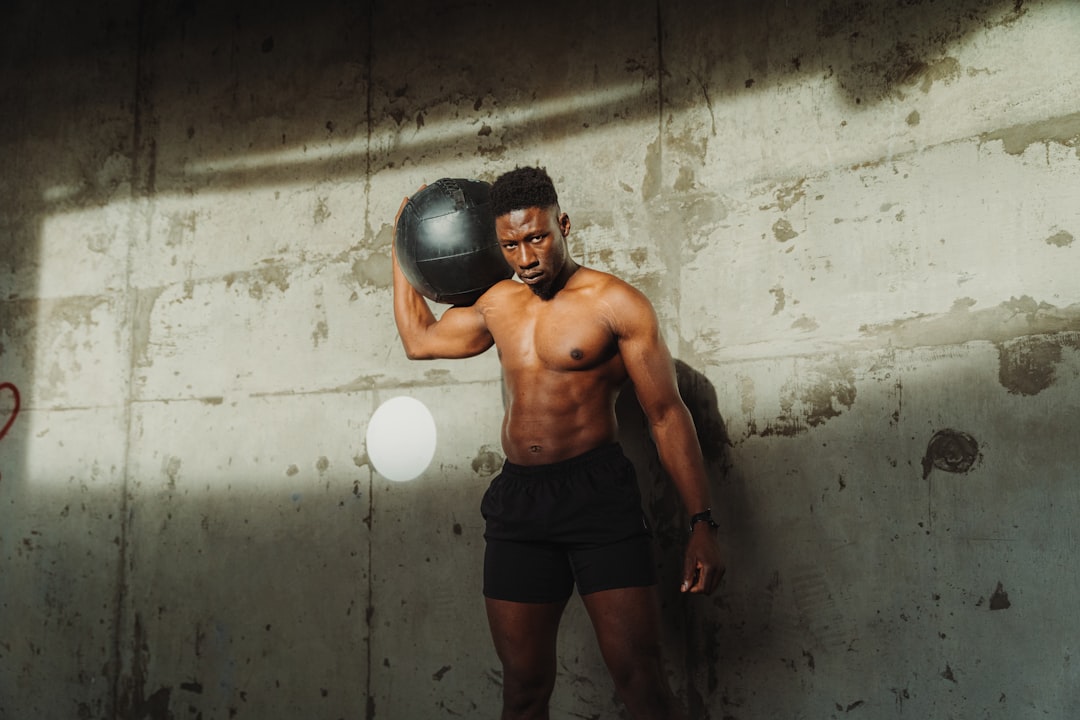
Quarterbacks are the engine of an NFL offense: they need single-leg stability to plant and throw, hip power to drive passes, short-area quickness to escape pressure, and true stamina to perform under a relentless schedule. This guide breaks down how to train like a quarterback — translating pro-level drills into practical, science-backed routines for men's health enthusiasts who want better agility, strength, and endurance without living in a pro facility. Throughout, you'll find actionable plans, recovery workflows, tech and travel tips, and product considerations so your training is both efficient and sustainable.
Before we jump in: if you care about the tech that measures movement, check our hands-on review of force-plate training for strength athletes: TorquePlate Pro Force-Plate Training for Strength Athletes. And if space or equipment is limited, this guide pairs well with a compact-strength approach: Build a Compact Strength Program Using One Pair of Adjustable Dumbbells.
1. What Makes a Quarterback Athlete? The Physical Profile
Power: The Throw Starts From the Ground
Power production is a chain that starts at the feet. Quarterbacks produce rotational and linear force through triple extension — ankle, knee, and hip — then sequence that force into the torso and upper limb. Training programs focus on loaded hip extension (deadlifts, trap-bar, Romanian deadlifts), rotational medicine-ball throws, and single-leg power work such as Bulgarian split jumps. Modern measurement tools like force plates can quantify bilateral imbalances and rate of force development; see our field test for how these tools help athletes measure progress: TorquePlate Pro Force-Plate Training for Strength Athletes.
Agility: Efficient Change-of-Direction
True quarterback agility is less about 40-yard dash speed and more about reactivity and efficient cutting in short spaces. Drills emphasize first-step explosiveness, deceleration mechanics (to reduce knee load), and reactive ladder or cone work. Integrating sport-specific drills — mirror drills, 3-cone variation, and small-box lateral hops — improves both footwork and proprioception.
Endurance: Repeated High-Intensity Efforts
Quarterbacks don’t need marathon endurance but they do need repeat sprint ability and the capacity to stay cognitively sharp as heart rate rises. Conditioning should include high-intensity interval training (HIIT) drills, tempo runs, and position-specific metabolic conditioning (read: play-situation conditioning). For nutrition strategies that support repeated efforts, plan your meals similar to our meal-prep frameworks: Designing Meal‑Prep Experiences.
2. The Weekly Structure: Offseason vs In-Season
Offseason: Build Base Strength & Movement Quality
In the offseason your priorities are hypertrophy for resilience, maximal strength, and technical skill work. A weekly split might include two heavy strength sessions, two agility/cod sessions, one power session, and one mobility/recovery day. This structure aligns with compact strength approaches — you can even do it with adjustable dumbbells for the essentials: Build a Compact Strength Program Using One Pair of Adjustable Dumbbells.
In-Season: Maintain, Recover, and Stay Fast
The in-season check-list is short: retain strength (~80% of offseason loads), preserve power, prioritize recovery, and perform short, high-quality skill work. Advanced recovery workflows are essential to sustain performance during heavy travel and game cadence: learn coach-friendly recovery setups in our recovery playbook: Advanced Recovery Workflows for Coaches and Home Users in 2026.
Microcycles for Busy Lifters
If you have a 3–4 day training week, prioritize compound lifts and multi-joint power work early, followed by speed and agility in fresh states. Use short, focused conditioning sessions that reflect the energy systems used in QB play: repeated 15–30 second max efforts with 60–90 seconds rest.
3. Movement & Strength Templates (Daily Routines)
Sample Session A — Power + Throwing Mechanics
Warm-up: dynamic mobility, hip CARs, glute activation. Strength block: trap-bar deadlift 3x5 (emphasis on hip drive), Bulgarian split squat 3x6 each leg. Power block: med-ball rotational throws 4x6 each side, broad jumps 3x5. Finish with 8–10 minutes of technical quarterback footwork (drop-step throws, quick-set throws) either with a partner or against a target.
Sample Session B — Agility + Shoulder Health
Warm-up: band pull-aparts, Y/T/W exercises, thoracic rotations. Agility block: ladder drills, short shuttle 5-10-5, mirrored reaction sprints. Strength block: single-arm dumbbell row, kettlebell clean-to-press, farmer carries for core stiffness and grip. Cooldown includes scapular mobility and light eccentric work for rotator cuff resilience.
Sample Session C — Metabolic Conditioning & Mobility
High-effort intervals (e.g., 8 rounds of 20s on / 40s off sled pushes or hill sprints), followed by a mobility circuit: hamstring SMR, hip flexor stretching, ankle dorsiflexion drills. End with breathing work and 5–10 minutes of low-intensity steady state (walking) to support recovery.
4. Key Quarterback Exercises & Progressions
Hips and Posterior Chain
Deadlifts, hip thrusts, kettlebell swings, and single-leg Romanian deadlifts. Progress by increasing time under tension and adding explosive variations (loaded jump pulls). These build the posterior chain torque that translates to stronger, more accurate throws.
Rotational Power
Medicine-ball rotational throws, cable chops, and landmine rotations are non-negotiable. Pair these with anti-rotation Pallof presses to balance the core’s ability to resist and produce torque. Rotational throws should be trained explosively with full recovery to prioritize quality over volume.
Short-Area Quickness
First-step drills, lateral bound series, and resisted sprints (sled or band-resisted) teach efficient force application. These drills increase your ability to elude pressure while minimizing wasted motion.
5. Programming for Different Goals (Table & Comparison)
Below is a practical comparison table you can use to pick the plan that matches your fitness goal. Each plan is designed with quarterback attributes in mind.
| Plan | Primary Focus | Frequency | Key Exercises | Equipment | Time / Session |
|---|---|---|---|---|---|
| Offseason Power Build | Max strength & hypertrophy | 4–5x / week | Trap-bar deadlift, squats, med-ball throws | Barbell, med ball, rack | 60–90 min |
| In-Season Maintenance | Strength retention & recovery | 2–3x / week | Lower-load compound lifts, power cleans, mobility | Dumbbells, bands, sled | 30–50 min |
| Pocket Mover Agility | Short-area quickness & footwork | 3x / week | Agility ladder, lateral bounds, resisted 10–20m sprints | Ladder, cones, sled/band | 30–45 min |
| Dual-Threat Mobility | Mobility & multi-directional power | 3–4x / week | Turkish get-ups, split squats, rotational throws | KBs, med ball, mats | 45–60 min |
| Weekend Warrior (Time-Crunched) | Efficiency & retention | 2x / week | Full-body complexes, HIIT, core circuits | Adjustable dumbbells, bands | 30–40 min |
6. Nutrition, Recovery & On-Field Energy
Fueling for Power & Repeats
Quarterback-style training demands a mix of carbohydrates for high-intensity work and protein for recovery. Practical swaps: prioritize breakfast options with ~25–35g protein for post-overnight repair — we break down high-protein meal ideas in our breakfast guide: Breakfast for Gains: 12 High-Protein Cereal Mixes. Pre-workout carbs (30–60 g) 60–90 minutes prior to sessions help sustain repeated sprints; post-workout protein + carbs within 45 minutes accelerates glycogen resynthesis.
Meal Prep That Matches the Grind
Quarterback training weeks require simple, repeatable meals that travel well. If you're traveling for games, consider investing time into meal-prep frameworks and portable kit lists: our meal-prep guide covers packaging and scheduling for hybrid experiences: Designing Meal‑Prep Experiences. Portable steamers and compact pressing kits help keep meals consistent on the road: Field Review: Portable Steamers, Pressing Kits, and Mobile POS.
Recovery Tools & Monitoring
Recovery should be measurable. Wearables and home hub kits help you track sleep, HRV, and activity load. For a buyer’s guide to wearables and deals, see our Apple Watch guide: Your Ultimate Guide to Scoring the Best Deals on Apple Watches, and if you're building a compact smart recovery environment, check the small-space hub field report: Small‑Space Smart Hub Kits for 2026.
7. Travel & Training: Stay Sharp On the Road
Design Your Portable Kit
For athletes who travel, the right kit keeps training consistent. A pair of adjustable dumbbells, a med ball, bands, and a compact sled or sandbag can cover most QB workouts. Read how to maximize limited gear: Build a Compact Strength Program Using One Pair of Adjustable Dumbbells, and consider lightweight hiking or conditioning gear for cross-training days: Gear Essentials: Building a Lightweight Scenery Kit for Hikes.
Flights, Hotels & Meal Strategy
Short trips should still plan meals and recovery. Use packing workflows to bring food-safe containers and chargers; small efficiencies keep you on plan: Maximizing Efficiency in Packing Workflows: Tips for DIY Enthusiasts. If you’re staying in city hubs, you can lean on microcation principles to sequence workouts and downtime: Microcations & Local Commerce in NYC (2026): How Short Stays and Pop‑Ups Drive Neighborhood Demand.
Power When the Outlet is Gone
For back-up power on long trips or remote camps, check comparative tests of portable power stations before you invest: Power Station Price Faceoff: Jackery vs EcoFlow. Keeping devices charged ensures recovery tech and wearables remain functional.
8. Technology & Measurement: When to Buy What
Force Plates & Ground Contact Metrics
If you’re serious about asymmetry correction and rate of force development, invest in validated force measurement tools. Our field review shows how consumer force plates can be used for athlete monitoring: TorquePlate Pro Force-Plate Training for Strength Athletes. These metrics inform training loads and reduce injury risk.
Wearables & Smart Devices
Wearables track HRV, sleep, and movement patterns. When shopping, compare deals and device capabilities in a comparative guide: Unlocking the Best Deals: Comparative Guide to Smart Devices, and use our Apple Watch deals primer to time purchases: Your Ultimate Guide to Scoring the Best Deals on Apple Watches.
Home Hub Kits for Recovery & Monitoring
The best athletes make their home a recovery lab. Small-space smart hubs let you centralize data from scale, sleep, and HR monitors; see this field report for compact hub options: Small‑Space Smart Hub Kits for 2026.
9. Recovery Protocols: Sleep, Mobility & Load Management
Sleep & Circadian Hygiene
Quality sleep is the non-negotiable. Prioritize 7–9 hours, keep consistent bedtimes, limit screens 60–90 minutes before bed, and use HRV trends to detect accumulated fatigue. For coach-grade recovery workflows and sensor guidance, consult Advanced Recovery Workflows for Coaches and Home Users in 2026.
Active Recovery Modalities
Contrast baths, foam rolling, light tempo work, and mobility circuits keep tissue healthy. Pair mobility sessions with low-level aerobic activity for improved circulation and faster recovery between high-intensity days.
Skin, Grooming & Injury Prevention
Small details matter: managing skin integrity under pads (friction, razor burn) and using topical treatments can speed return-to-play. For team and in-person events where quick skincare solutions matter, see our field review of compact print-and-serve systems used at pop-ups: Field Review: PocketPrint 2.0 for Skincare Pop‑Ups. While that article targets retail, the product thinking applies to athlete-facing setups for quick topical management.
10. Practical Case Studies & Sample 12‑Week Plan
Case Study: The Busy Dad Building Agility
Mark, 36, trains 4 days a week around work. He used a condensed, quarterback-inspired plan for 12 weeks: two strength days (compound lifts + single-leg), one agility day (reactive ladder + short shuttles), and one conditioning/mobility day. He tracked progress with a simple wearable and recovered using nightly compression and foam rolling. Over 12 weeks he improved 5–7% in single-leg jump power and reduced shuttle times by 0.3–0.4s.
Case Study: The Amateur QB Preparing for a Spring League
Jamal, 24, had access to a small gym and adjustable dumbbells. He followed an off-season power build tailored to his equipment and used med-ball rotational work 2x weekly. Meal prep and consistent breakfast choices (see Breakfast for Gains) kept recovery on track. His overall accuracy and throwing velocity increased by measurable margins after focusing on hip drive and posterior chain work.
How to Apply Analytics & Data
Don’t overreact to single metrics. Use trend-based measures and a data-informed approach similar to financial quant strategies: interpret multiple signals together, as discussed in broader data-analysis contexts like this earnings deep dive (useful if you’re interested in trend-following logic): Earnings Season Deep Dive: Quant Signals That Outperformed. That same logic applies to deciding whether to deload or push a training load.
Pro Tip: Track training load (RPE × duration), sleep, and HRV for 2–4 weeks before making a big programming change. Small, consistent improvements beat sporadic extremes.
11. Equipment, Budgeting & Deals
Smart Buying: Devices & Kits
Buy what you will use consistently. If you train at home and travel, lightweight, multi-use gear is best. For comparing smart-device deals before you buy, see our comparative guide: Unlocking the Best Deals: Comparative Guide to Smart Devices, and use bargain windows for devices like smartwatches: Your Ultimate Guide to Scoring the Best Deals on Apple Watches.
Power & Logistics for Remote Training
If training camps or travel involves limited infrastructure, portable power matters. Compare inverter capacity, AC output, and weight before you buy: Power Station Price Faceoff: Jackery vs EcoFlow.
Small Business & Event Considerations
If you run group training or pop-up sessions, think through guest experience and logistics: how to scale warm-up stations, recovery stations, and post-workout snack distribution — similar design considerations apply in retail pop-ups like this skincare pop-up review: Field Review: PocketPrint 2.0 for Skincare Pop‑Ups.
12. Final Play: Putting It All Together
Training like a quarterback is less about mimicking the exact drills you see on TV and more about adopting the principles: build robust posterior-chain power, practice short-area quickness, protect your shoulders with rotator-cuff and scapular work, and build recovery systems that let you repeat high-quality sessions. If you travel or have limited gear, combine compact strength strategies with intentional recovery tech and meal-prep planning. For travel-focused athletes, small efficiencies in packing and kit selection make all the difference: Maximizing Efficiency in Packing Workflows: Tips for DIY Enthusiasts and lean microcation planning help maintain consistency: Microcations & Local Commerce in NYC (2026): How Short Stays and Pop‑Ups Drive Neighborhood Demand.
FAQ: Common Questions about QB-Inspired Training
-
Q: Do I need a quarterback background to benefit from these routines?
A: No. These routines are designed using athletic principles (power, agility, endurance) that transfer across sports and general fitness goals.
-
Q: How often should I do throwing mechanics vs strength work?
A: If you’re actively throwing, 2–3 focused technique sessions per week combined with 2 strength sessions is a good balance. When increasing throwing volume, reduce ballistic lifts to limit shoulder fatigue.
-
Q: What if I travel often and can’t access a gym?
A: Build a portable kit (adjustable dumbbells, bands, med ball) and use outdoor conditioning options like hill sprints or hiking for metabolic work. See our portable kit and travel guides for specifics: Gear Essentials: Building a Lightweight Scenery Kit for Hikes.
-
Q: Which recovery metric should I track first?
A: Start with sleep duration/quality and resting heart rate or HRV. These provide early signals for load management. If you want to scale recovery tools, review our advanced recovery workflows: Advanced Recovery Workflows for Coaches and Home Users in 2026.
-
Q: Is force-plate data worth the cost?
A: If you’re an athlete managing asymmetries or chasing small performance gains, yes. Force plates provide objective measures of rate of force development and asymmetry — learn more in our field test: TorquePlate Pro Force-Plate Training for Strength Athletes.
Related Reading
- Nebula IDE & On‑Chain Tooling - A field review for indie devs; useful if you build apps to track training data.
- Supper Clubs & Micro‑Dinners - Learn principles of meal-focused events that translate to team meal prep.
- Supply Chain Deep Dive: Heritage Wheat - Deep dive on sourcing and scale; helpful if you plan to scale nutrition for a team.
- BTS’ New Album Title - Cultural trends and creative inspiration for programming motivational playlists.
- Gear Essentials: Building a Lightweight Scenery Kit for Hikes - Cross-training ideas and lightweight packing for outdoor conditioning.