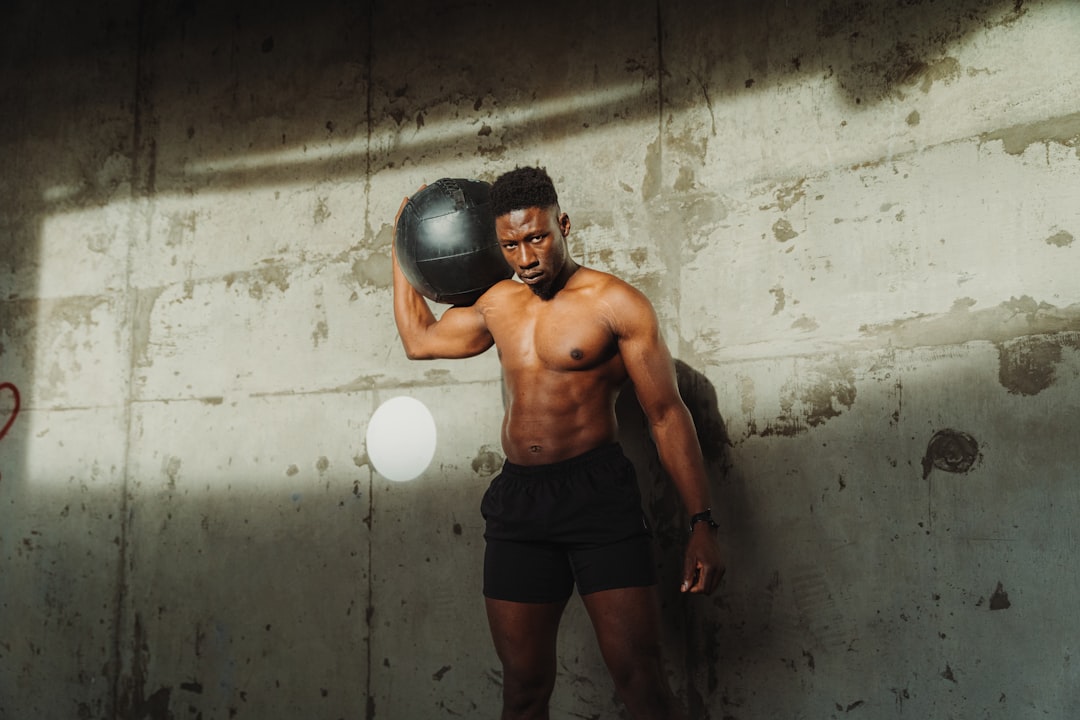
For men seeking to enhance sexual health and overall vitality, focusing on fitness and nutrition is paramount. Just like elite athletes fine-tune their bodies to perform at top levels, men can harness the synergy of physical exercise and dietary habits to optimize hormonal balance, boost performance, and support enduring wellness. This guide dives deep into how the athlete lifestyle offers a blueprint for men aiming to improve sexual function, stamina, and hormonal health through evidence-backed fitness and nutrition strategies.
Understanding the Connection Between Fitness and Sexual Health
How Physical Fitness Influences Sexual Performance
Physical fitness directly correlates with sexual function in men. Cardiovascular health, muscular strength, and flexibility affect blood flow, hormone production, and endurance, all critical elements for sexual wellness. Regular exercise stimulates circulatory efficiency, enhancing the ability to sustain erections and improve stamina. Research shows that physically active men report higher satisfaction and fewer instances of erectile dysfunction compared to sedentary peers.
Hormonal Benefits of Staying Active
Testosterone, the primary male hormone influencing libido, muscle mass, and energy, responds positively to regular strength training and high-intensity workouts. However, balance is key. Overtraining can raise cortisol levels, negatively impacting hormonal harmony. Adopting athlete-inspired training regimens ensures optimal testosterone production and minimal hormonal disruption, promoting sexual vitality.
Mental Health and Libido Through Exercise
Exercise triggers the release of endorphins and neurotransmitters—dopamine and serotonin—that elevate mood and reduce stress. Mental well-being plays a crucial role in sexual desire and function. Athletes often engage in mindfulness–integrated training or recovery protocols to manage stress, a practice that can benefit all men aiming for improved men’s health and libido.
Nutrition: Fueling Sexual Wellness
Key Nutrients Supporting Hormones and Blood Flow
Nutrition is foundational for maintaining hormones and vascular health critical to sexual function. Diets rich in antioxidants, omega-3 fatty acids, zinc, magnesium, and vitamins D and B complex support testosterone synthesis and endothelial function. Foods like fatty fish, nuts, leafy greens, and seeds provide these essential nutrients, much like those prioritized in athlete meal plans.
Athlete Diet Parallels: Whole Foods and Timing
Athletes emphasize nutrient timing to optimize recovery and energy. Incorporating balanced meals with adequate protein, healthy fats, and complex carbs spaced throughout the day stabilizes blood sugar and supports hormone regulation. Men focusing on sexual health can benefit from meal timing strategies similar to athletes, including pre- and post-exercise nutrition that aids stamina and recovery.
Foods To Limit for Sexual Health
Processed foods, excessive sugars, and alcohol can impair circulation and hormone balance. Athletes avoid these due to performance detriments; men seeking sustained sexual vigor should similarly reduce such intakes. Emerging studies link poor diet quality to increased risk of erectile dysfunction and low libido, reinforcing the importance of clean nutrition.
Integrating Fitness and Nutrition: Athlete Lifestyle Insights
Balance and Consistency Over Intensity
Athletes thrive on balanced workout routines paired with a nutritious diet rather than overspending effort sporadically. Consistency in both domains fosters optimal hormonal environment and physiological benefits critical to men's sexual health. Avoiding overtraining and erratic diets preserves energy and sexual function over time.
Recovery and Sleep: The Overlooked Pillars
Fitness and nutrition alone cannot maximize sexual wellness without proper recovery, which includes quality sleep and stress management. Athletes use recovery protocols such as mobility work and sleep hygiene techniques, which men can replicate to support hormonal balance and sexual performance.
Personalization: Tailoring to Your Body’s Needs
The athlete mindset encourages listening to one's body and adjusting fitness and nutrition accordingly. Genetic factors, age, and health status influence how men respond to training or diet changes. Customizing routines ensures sustained improvements in sexual health without burnout or nutrient deficiencies.
Exercise Modalities to Boost Sexual Health
Strength Training and Testosterone
Resistance training, especially compound lifts like squats and deadlifts, is proven to elevate testosterone and growth hormone levels, key for sexual function and muscle mass. Incorporating progressive overload principles used by athletes helps maintain optimal hormonal response.
Aerobic Training and Cardiovascular Health
Cardio exercises enhance vascular health by improving blood flow, which is vital for erectile function. Activities such as cycling, running, or swimming mimic endurance training seen in athletes, enhancing stamina and cardiovascular resilience relevant to sexual performance.
Flexibility and Mind-Body Exercises
Yoga and stretching enhance pelvic floor strength, reduce stress, and improve circulation, providing a holistic boost to sexual health. Athletes often combine these practices into routines to maintain functional mobility and mental clarity.
Nutrition Strategies Specific to Sexual Health
Optimizing Micronutrient Intake
Zinc, selenium, magnesium, and vitamin D deficiencies have been linked with reduced testosterone and impaired sexual function. Men should focus on nutrient-dense foods or consider supplementation following consultation with healthcare professionals to address potential gaps safely.
Incorporating Aphrodisiac Foods
Several foods such as oysters, dark chocolate, and watermelon contain compounds promoting blood flow or hormone production. Athletes often include such functional foods to enhance performance; men can similarly harness these for improved libido and sexual vitality.
Hydration and Sexual Function
Proper hydration affects circulation and energy levels. Just as athletes monitor fluid balance, men should prioritize adequate water intake for maintaining erectile quality and overall wellness.
Case Study: Athlete Lifestyle Applied to Men's Sexual Health
John, a 42-year-old recreational athlete, adopted a fitness plan combining resistance training and cardio, alongside a Mediterranean-style diet rich in vegetables, fish, and nuts. Within three months, John noted improved energy, libido, and erection quality. His experience mirrors findings from clinical studies showing that athlete-like routines improve sexual function.
Comparison Table: Fitness & Nutrition Impact on Sexual Health vs. Common Pitfalls
| Aspect | Optimal Approach (Athlete-Inspired) | Common Pitfall | Impact on Sexual Health |
|---|---|---|---|
| Exercise Type | Balanced mix of strength and cardio with flexibility work | Sedentary or excessive cardio only | Improved circulation, testosterone, stamina vs. fatigue, hormonal imbalance |
| Nutrition Quality | Whole foods rich in micronutrients and antioxidants | Processed foods, high sugar, and alcohol | Supports hormones and blood flow vs. impaired vascular and hormonal function |
| Recovery | Prioritized sleep and stress management | Poor sleep, chronic stress | Hormonal regulation and libido enhancement vs. testosterone suppression |
| Hydration | Sufficient daily water intake aligned with activity | Dehydration from neglect | Maintains vascular and energy levels vs. reduced erectile quality |
| Routine Consistency | Steady, personalized regimen | Inconsistent or overly intense cycles | Optimal hormonal balance vs. fatigue and sexual dysfunction |
Practical Tips to Implement an Athlete-Inspired Regimen
- Start with moderate strength training 3 times weekly focusing on compound lifts.
- Incorporate 30 minutes of moderate cardio such as brisk walking or cycling daily.
- Design nutrient-dense meals prioritizing fruits, vegetables, lean proteins, and healthy fats.
- Monitor hydration, aiming for half your body weight in ounces of water daily.
- Establish consistent sleep habits, aiming for 7-9 hours per night.
- Manage stress via mindfulness, yoga, or breathing exercises.
- Track progress but avoid overtraining; alternate hard and recovery days.
Common Questions on Fitness, Nutrition, and Sexual Health
How does exercise increase testosterone for sexual health?
Strength training and high-intensity interval training stimulate the Leydig cells in the testes to produce more testosterone, which enhances libido, erectile function, and muscle mass.
Can diet alone improve sexual performance?
Diet impacts hormone levels and blood flow, but combined with fitness and recovery, it yields the best improvements to sexual health.
Are supplements necessary?
Supplements can help address deficiencies but should complement a balanced diet. Consult a healthcare provider before starting any regimen.
What lifestyle habits hurt sexual health most?
Smoking, excessive alcohol, poor sleep, and chronic stress reduce vascular health and hormone production, leading to sexual dysfunction.
How soon can results be expected from lifestyle changes?
Some benefits like improved energy may appear within weeks; hormonal and sexual function improvements generally take several months of consistent effort.
Related Reading
- Top 5 Must-Have Gymwear Brands for Tech-Enhanced Fit - Discover apparel choices to optimize your workout and comfort.
- The Ultimate Guide to Choosing the Right Backpack for Your Fitness Needs - Gear essentials for active men balancing fitness and lifestyle.
- Athlete Discipline and Sponsor Risk: How PR Incidents Affect Player Contracts and Brand Value - Lessons on discipline that reflect in health and personal performance.
- Flavor Forward: How to Use Local Herbs in Unique Cooking - Enhance your meals for better nutrition and health.
- Overcoming Critics: Mental Health Strategies for Athletes with Vitiligo - Insights on mental resilience that benefit sexual wellness and more.