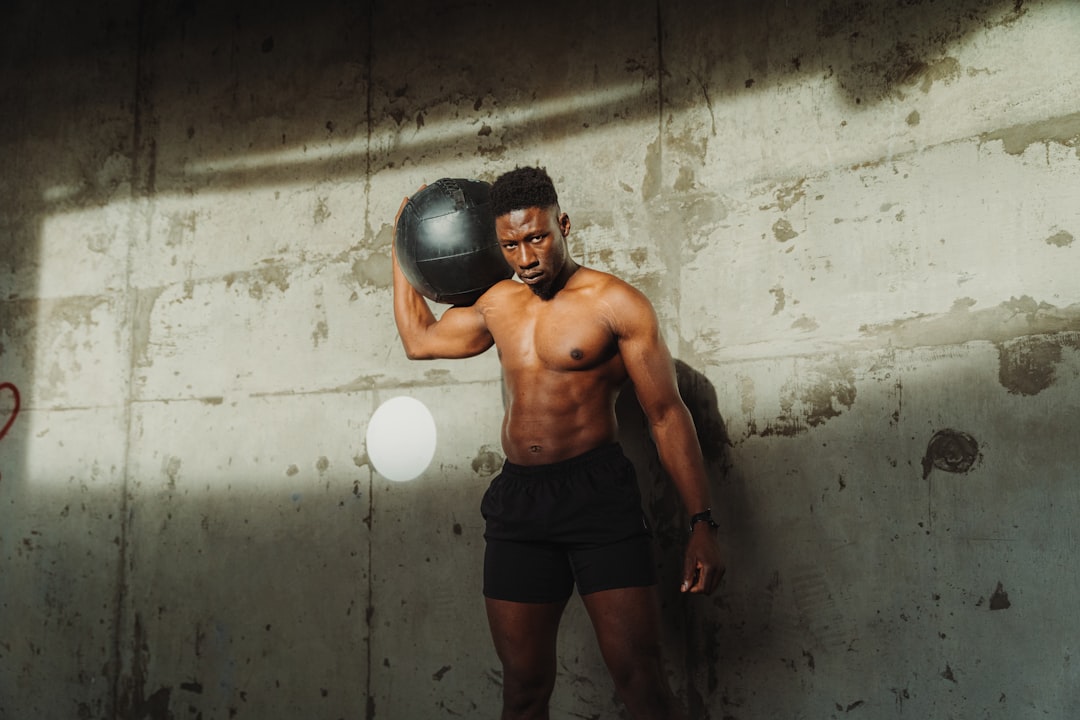
Hydration is one of the simplest performance levers—yet it's also one of the most misunderstood. For men focused on strength, endurance, recovery, and day-to-day vitality, fluid balance affects everything from power output and cognitive clarity to sleep quality and hormonal recovery. This definitive guide breaks down the science, translates it into actionable plans, and uses lessons from recent sports events and wearable tech trends to give you a hydration playbook that actually sticks.
1. Why Hydration Matters (Beyond Feeling Thirsty)
Cellular function and blood volume
Water is the medium of life: it maintains blood volume, carries oxygen and nutrients to working muscles, and clears metabolic waste. When blood volume drops by even 2%, cardiac output must rise to maintain workload; your heart works harder, perceived exertion increases, and performance falls. That’s why pre-exercise hydration is as important as what you sip mid-workout.
Thermoregulation and sweat losses
Sweating is the body's main engine for cooling, but it comes at a cost: fluid and electrolyte losses. Men tend to sweat more than women under comparable conditions, so the male athlete needs tailored strategies for heat management. Strategies used in hot-yoga studios and heat-adapted training protocols reveal practical ways to preserve performance in hot environments. See how studios are adapting in our piece on the evolution of hot yoga studios in 2026.
Cognition, reaction time and focus
Dehydration impairs attention, decision-making and motor control—crucial variables in team sports and weightlifting technique alike. Recent sports broadcasts highlighted players making poor choices late in games played in heat waves; hydration (and heat preparation) explained much of the drop in on-field precision. For a cultural snapshot of sport and heat-related fan culture, read the analysis on cricket memes in how viral memes are shaping cricket fan culture.
2. Hydration and Exercise Performance: The Evidence
Small differences, big performance effects
Performance decrements can start at 1–2% body mass loss. For a 90 kg man, that's under 2 liters—an amount easy to accumulate in long sessions. Research aggregated from endurance events shows measurable drops in time-trial power and repeated-sprint ability as dehydration accumulates. The practical takeaway: plan for progressive intake instead of waiting to «feel» thirsty.
Power and strength vs endurance
Hydration affects energy systems differently. High-intensity lifts rely mostly on anaerobic energy and neuromuscular function—both sensitive to electrolyte balance and central nervous system fatigue—while endurance efforts are more limited by blood volume and thermoregulation. Strength athletes and CrossFitters should monitor short-term sodium losses and consider small electrolyte boosts; endurance athletes need both fluid and carbohydrate for long efforts.
Lessons from sport simulations
Sports analytics groups use massive simulation models to project performance under varying conditions. The same modeling principles show that small adjustments in pre-event hydration and mid-event electrolyte intake reduce performance variance more than many equipment changes. For a primer on how simulation informs sport and other fields, see how 10,000-simulation models translate to sports and markets.
3. Heat Stress, Competition, and Event Case Studies
Heat waves in high-profile events
In recent seasons, several professional and amateur events were staged during exceptional heat spells. Teams that applied structured hydration protocols and heat-acclimation strategies preserved performance and reduced heat illness incidents. Event organizers increasingly emphasize access to cold-water immersion, shade and electrolyte solutions.
Heat acclimation: what the evidence says
Acclimation (repeated exposures to heat) increases plasma volume and sweat rate efficiency—allowing better cooling with less strain. Practical programs can be woven into training cycles; micro-dosing heat exposure—short daily sessions—works well for busy athletes. For travel athletes, microcations and short pre-event trips can be part of adaptation if planned correctly; see our practical guide on microcation mastery.
Real-world examples: from training camp to match day
Pro teams set protocols: baseline hydration screens, scheduled fluid breaks, and customized electrolyte mixes. Amateur coaches can mirror this with simple tools—pre- and post-practice body weights, and a checklist for rehydration supplies. Equipment such as high-flow bottles in gym bags is simple but effective; check convenient gear ideas in our roundup of mini-me gym bags and backpacks.
4. Hydration for Recovery: Sleep, Nutrition and Inflammation
Rehydration as recovery medicine
Rehydration after exercise accelerates metabolic waste removal, supports glycogen resynthesis (when combined with carbs), and reduces markers of inflammation. Most athletes neglect planned rehydration windows, delaying recovery. Pairing fluids with a 3:1–4:1 carb-to-protein snack post-workout enhances glycogen restoration while fluids speed nutrient delivery.
Sleep, circadian rhythm and hydration
Hydration interacts with sleep: both overdrinking before bed and chronic low-level dehydration can disrupt sleep quality. Smart sleep and recovery devices are emerging that integrate hydration and recovery coaching—learn how recovery nutrition ties into smart sleep devices in our recovery nutrition and smart sleep guide.
Inflammation and tissue repair
Water helps transport amino acids and hormones required for tissue repair. Adequate hydration supports nutrient delivery to damaged muscle and optimizes lymphatic clearance of inflammatory byproducts. Combining cryotherapy or contrast baths with active rehydration can speed return to training—see practical recovery blueprints in our 12-week transformation guide at how to design a 12-week life transformation plan.
5. Sports Drinks, Electrolytes, and What to Choose
When water is enough
For workouts under 60 minutes at moderate intensity, plain water typically suffices—provided you started hydrated. Water replaces volume but not sodium; if you sweat heavily or train multiple times per day, you need sodium to retain the fluid and maintain performance.
Sports drinks and carbohydrate dosing
Sports drinks combine fluids, electrolytes and carbs. For endurance sessions, aim for 30–60 g of carbs per hour (up to 90 g/hour for trained athletes using multiple transportable carbs). These doses maintain blood glucose and support prolonged power output. Review product choices through the lens of carbs per serving and sodium content.
Electrolyte tablets, salty snacks, and whole foods
Electrolyte tablets and concentrated solutions let you control sodium without extra sugar; salty snacks or broths are useful in ultra-endurance events or multi-day efforts. Ketogenic athletes or those using specialized diets should match sodium to their unique sweat and renal patterns—see the operational shifts in meal delivery and diet trends in the evolution of keto meal delivery.
Pro Tip: For multi-hour efforts in heat, target 300–700 mg sodium per liter and 30–60 g carbs/hour. Adjust based on sweat test results.
6. Comparative Guide: Water vs Sports Drinks vs Whole-Food Options
Use the table below to choose the right beverage for the workout. Dosages and practical pros/cons are summarized to help you pick on the go.
| Beverage | Best use | Typical sodium (mg/L) | Carbs (g/100ml) | Pros / Cons |
|---|---|---|---|---|
| Plain water | Workouts <60 min, gym, strength | 0 | 0 | Pros: universally available, cal-free. Cons: no electrolytes or carbs. |
| Standard sports drink (Gatorade-style) | 1–3 hour endurance & high-intensity sessions | 300–600 | 4–8 | Pros: carbs + salts. Cons: calories, variable sodium. |
| Electrolyte tablets / powders | Heat, multi-session days, layered fueling | 400–1200 (product dependent) | 0–2 | Pros: low sugar, customizable. Cons: taste, GI sensitivity for some. |
| Coconut water | Light endurance, recovery drink | 100–250 | 2–4 | Pros: natural, potassium-rich. Cons: low sodium for heavy sweaters. |
| Milk / Chocolate milk | Post-exercise recovery | 100–200 | 4–6 | Pros: protein + carbs, affordable. Cons: dairy intolerance. |
7. Monitoring Hydration: Tests, Wearables and Simple Checks
Practical field tests
Track body mass pre- and post-session (nude or minimal clothes) to estimate sweat rate. Sweat rate (L/hr) = (pre-exercise mass – post-exercise mass + fluid intake – urine output)/exercise hours. This simple calculation helps prescribe fluid goals rather than guesswork.
Urine color and frequency
Urine color correlates with hydration status: pale straw is generally good; darker shades indicate deficits. Frequency also matters—long gaps between voids suggest underhydration, especially if paired with concentrated urine.
Wearables and smart sensors
Wearables are entering hydration monitoring: skin sensors and wristbands can estimate sweat rates and environmental heat exposure. While not yet perfect, these devices are useful for trending and alerting you to risky conditions. Explore the latest wearable research and product ideas in can a wristband predict indoor air problems? and high-tech gadgets showcased at CES 2026.
8. Actionable Hydration Strategies & Tips
Pre-workout: build a buffer
Start every session hydrated: 5–7 mL/kg of fluid in the 2–4 hours before exercise is a practical rule. That’s 450–630 mL for a 90 kg man taken 2–4 hours ahead, with 150–250 mL 10–20 minutes prior if needed. Combine with a small sodium-containing snack if you'll sweat heavily.
During training: sip, don’t chug
Sip on a plan—generate it from your sweat rate and session length. For sessions under 90 minutes, small, frequent intakes minimize GI upset and maintain steady plasma volume. For long events, combine fluids with carbohydrate sources and electrolytes as discussed in the comparative table.
Post-workout: rehydrate to restore
Rehydrate with 1.25–1.5 liters per kg body mass lost (because some fluid is lost in urine and feces during the rehydration period). Combine fluids with 20–40 g protein and 0.5–1 g/kg carbs to maximize recovery. For multi-day competitions, schedule targeted rehydration windows and monitor cumulative fluid balance.
Pro Tip: Pack a two-bottle system: one bottle with a premixed electrolyte solution and one with plain water. Alternate sips to balance sodium and total intake.
9. Hydration in Context: Travel, Multiday Events, and Lifestyle
Travel and time-zone effects
Travel disrupts routines, sleep and hydration. Air travel causes mild dehydration and reduced urine output; plan extra fluids before and after flights. If you’re compressing training into short trips or microcations, structure your hydration and sleep first—this is explored in microcation planning pieces like microcation mastery and short city planning workflows in using AI to plan short breaks.
Multi-day events and logistics
For stage races, ultra-events or multi-day training blocks, cumulative sodium loss can be massive. Plan for plain water, electrolyte concentrates, salty foods, and scheduled weigh-ins. Nutrition delivery and meal logistics matter too—read how delivery has evolved in the meal service space at the evolution of keto meal delivery.
Everyday wellness: not just athletes
Hydration benefits men who aren’t training hard too: cognitive performance, mood, digestion, and skin health respond to consistent fluid intake. Pair hydration hygiene with sleep and mindfulness practices—techniques that help maintain routine can be found in mindfulness and calm routines and restorative sequences like Dark Skies Flow.
10. Putting It Together: Sample Hydration Plans
Strength training (60–90 min)
Before: 5–7 mL/kg 2–4 hours pre-lift. During: 150–300 mL water every 20 minutes. After: 500–750 mL within 30 minutes with a 20–40 g protein snack plus a salty carbohydrate portion if multiple sessions planned that day.
Endurance ride (3–5 hours in moderate heat)
Before: 500–750 mL 2–3 hours prior with 300–500 mg sodium. During: 500–1000 mL/hr with 30–60 g carbs/hr and 300–700 mg sodium/L. After: 1.25–1.5 L/kg of fluid lost and a 1:3–1:4 protein-carb recovery meal. For commuting or e-bike users, check practical e-bike guides like budget e-bike picks to plan hydration on the go.
Hot event or tournament day
Pre-event: salt-containing snack and 5–7 mL/kg fluids in the 2–4 hours pre-start. During: schedule fluid breaks every 15–20 minutes with electrolytes and small carb boluses. Post-event: rapid rehydration with sodium-containing beverage and monitoring of urine color; coordinate with team staff or support crew for controlled cooling and hydration supplies.
Conclusion: Make Hydration a Measured Habit
Hydration is not a single decision; it's a system of habits, checks and adjustments. Treat fluids as a performance nutrient: measure sweat, pick the right solution for the job, and prioritize rehydration after training. Use wearables and simple field tests to iterate. When you build hydration into training cycles and recovery routines, you win back energy, minimize performance drop-offs, and reduce injury risk.
For practical lifestyle pairing—sleep, nutrition, and recovery—see our deeper coverage on recovery and sleep tech at recovery nutrition and smart sleep devices.
FAQ
Q1: How much water should a man drink daily?
A1: Baseline daily needs are individualized, but a practical starting point is 30–35 mL/kg/day (about 2.7–3.2 L for a 90 kg man) from all sources. Increase on training days, in heat, or with alcohol or diuretics.
Q2: Are sports drinks better than water?
A2: It depends on duration and intensity. For short moderate sessions, water is fine. For long or hot sessions, sports drinks or electrolyte solutions maintain glucose and sodium levels better than water alone.
Q3: Can overhydration happen?
A3: Yes. Hyponatremia (too little blood sodium due to excessive plain-water intake) is rare but dangerous, particularly in long endurance events when people overdrink without replacing sodium. Use evidence-based sodium dosing in long events.
Q4: Will caffeine dehydrate me?
A4: Regular caffeine consumers develop tolerance to its diuretic effects. Caffeinated beverages contribute to fluid intake and are not significantly dehydrating for habitual users, but monitor total fluid balance.
Q5: How can I test my sweat rate quickly?
A5: Do a 60-minute training session under typical conditions. Weigh naked before and after, account for fluid consumed and urine produced. Your sweat rate (L/hr) = (weight lost + fluids consumed - urine)/hours. Use that rate to plan hourly intake.
Related Reading
- The Ultimate Winter Cozy Edit - A quirky look at warmth and comfort that pairs with recovery rituals.
- We Tested 20 Hot-Water Bottles - Product testing that informs cold therapy choices.
- Build a 48-Hour Micro App - Workflow ideas for structuring short training or trip plans.
- AEO for Creators - Digital strategy tips useful for sharing training content and hydration guides.
- Score 30% Off VistaPrint - Promotion ideas for coaches building hydration handouts and athlete materials.